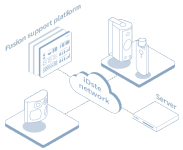
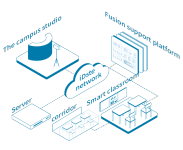
A cloud-based control platform is a system that enables you to manage and control devices or systems remotely through the cloud. To understand what is a cloud based platform, it is essentially a centralized solution that offers features such as automation, scheduled tasks, and real-time monitoring. For instance, you can oversee campus devices or streamline processes without depending on intricate physical systems. The adoption of these platforms is accelerating, with 96% of companies utilizing at least one public cloud and 84% leveraging private clouds. This trend underscores their cost-efficiency and their ability to simplify operations while improving visibility and control.
Key Takeaways
Cloud platforms let you control devices from anywhere easily.
Automation helps do tasks faster, saving time and boosting work.
These platforms can grow with your business, saving money on resources.
You get live updates, helping you decide quickly and work better.
Safety is important; pick providers who follow rules to keep data safe.
What is a Cloud-Based Platform and How Does It Work?
Definition and Core Components
A cloud-based platform is a system that uses cloud technology to manage and control devices or processes. It connects various components, such as software, hardware, and data storage, through the internet. The core components include a user interface, cloud servers, and communication protocols. The user interface allows you to interact with the system, while cloud servers store and process data. Communication protocols ensure seamless data exchange between devices and the cloud.
How Cloud-Based Platforms Operate
Cloud-based platforms operate by leveraging the internet to connect devices and systems. When you send a command through the platform, it travels to the cloud servers. These servers process the command and send it to the target device. For example, if you use a cloud-based platform to adjust the temperature in a smart home, the system processes your request and communicates with the thermostat to make the change. This process happens in real-time, ensuring quick responses and efficient management.
Key Differences from Traditional Systems
Cloud-based platforms differ significantly from traditional systems. Traditional systems rely on local servers and physical infrastructure, which can limit accessibility and scalability. In contrast, cloud-based platforms offer remote access, allowing you to manage systems from anywhere with an internet connection. They also provide faster disaster recovery times, as shown in the table below:
This comparison highlights the efficiency and reliability of cloud-based platforms, making them a preferred choice for modern applications.
Key Features of a Cloud-Based Control Platform
Remote Accessibility and Management
A cloud-based control platform allows you to manage systems and devices from anywhere in the world. This feature is especially valuable for businesses with remote teams or multiple locations. You can access centralized data storage, reducing communication errors and enabling seamless collaboration. For example, team members can share resources and work together efficiently, even when they are in different time zones.
These platforms also simplify the management of devices across various locations. You can monitor and control operations without being physically present, which saves time and boosts productivity. Many organizations have adopted these solutions to streamline their operations. For instance, cloud-based remote access solutions have become essential for remote work, ensuring uninterrupted connectivity and efficient management.
Automation and Smart Functionality
Automation is a cornerstone of cloud-based control platforms. It eliminates manual tasks, allowing you to focus on more critical activities. For example, you can automate routine processes like scheduling, monitoring, and reporting. This reduces errors and enhances efficiency. A 2022 survey revealed that 62% of law firms using cloud computing reported improved productivity, showcasing the transformative power of automation.
No need for local servers, reducing maintenance costs
Free updates
Ensures security and functionality without additional costs
By leveraging these features, you can optimize your operations and achieve significant cost savings.
Integration with Existing Systems
Integrating a cloud-based control platform with your existing systems is a straightforward process. You can select an API that meets your specific needs and methodically integrate it into your infrastructure. Testing and troubleshooting ensure smooth functionality, while user feedback helps refine the integration. This step-by-step approach minimizes disruptions and maximizes compatibility.
Successful integration allows you to enhance your current systems without overhauling them. For example, businesses can connect their cloud platform to legacy systems, ensuring a seamless transition. This flexibility makes cloud-based platforms an ideal choice for organizations looking to modernize their operations.
Scalability and Flexibility
A cloud-based control platform offers unmatched scalability and flexibility, making it an ideal solution for growing businesses. You can easily expand your platform's capacity as your needs evolve without investing in additional hardware or software. This built-in scalability ensures that your operations remain efficient, even during periods of rapid growth.
With real-time insights, you can automate tasks, improve workflows, and make data-driven decisions. For example, employees can access critical data remotely, enabling faster collaboration and decision-making. Companies using platforms like UpStack Data report improved marketing accuracy and reduced wasted ad spend by leveraging unified customer interaction views.
By utilizing real-time monitoring, you can enhance operational efficiency and improve customer experiences. This capability ensures that you stay ahead in a competitive market while maintaining high service standards.
Benefits of a Cloud-Based Control Platform
Cost Efficiency and Resource Optimization
Cloud-based control platforms help you save money by reducing the need for expensive hardware and maintenance. Instead of investing in physical servers, you can use the pay-as-you-go model. This approach allows you to pay only for the resources you need, preventing waste and optimizing your budget. Studies show that cloud services can lower costs by 20-50% on average.
Additionally, these platforms eliminate the need for frequent upgrades to local systems. Updates and maintenance happen automatically in the cloud, saving you time and effort. By optimizing resources, you can focus on growing your business without worrying about unnecessary expenses.
Enhanced Operational Efficiency
Using a cloud-based platform improves how your operations run. These platforms provide real-time data analytics, helping you make faster and better decisions. For example, a global retail company implemented a cloud-based supply chain solution. This allowed them to track inventory more effectively and predict demand accurately. As a result, they reduced costs and responded quickly to market changes.
Automation also plays a key role in boosting efficiency. Routine tasks like monitoring and reporting can be automated, freeing up your time for more important activities. With these tools, you can streamline workflows and ensure your operations run smoothly.
Improved Collaboration and Accessibility
Cloud-based platforms make it easier for your team to work together, no matter where they are. These systems allow everyone to access shared applications and data from any location. This is especially helpful for remote teams. They can collaborate on projects without being in the same office.
Tools like Google Workspace and Microsoft 365 let multiple users edit documents at the same time. This feature simplifies workflows and increases productivity. Whether your team is spread across different time zones or working from home, cloud platforms ensure seamless collaboration.
Scalability for Growing Needs
A cloud-based control platform grows with your business. It provides built-in scalability, allowing you to expand operations without investing in additional hardware or software. This flexibility ensures that your system adapts to your evolving needs. For example, as your business grows, you can increase storage or processing power seamlessly. You only pay for what you use, which helps you manage costs effectively.
Many businesses prefer cloud solutions for their scalability. A recent survey revealed that 62% of respondents value cloud platforms for their flexibility and ability to scale. Additionally, 47% of users choose these platforms to improve cost management through elastic resource provisioning. This means you can adjust resources based on demand, avoiding unnecessary expenses during slower periods.
Companies like Airbnb and Spotify demonstrate the power of cloud scalability. They use cloud platforms to dynamically scale resources, ensuring smooth service delivery even during peak times. This approach supports global expansion and enhances customer satisfaction. By adopting a cloud-based control platform, you can achieve similar results, ensuring your business remains competitive in a fast-changing market.
Tip: Scalability not only supports growth but also prepares your business for unexpected challenges. With a cloud platform, you can handle sudden increases in demand without disruptions.
Faster Issue Resolution and Reduced Downtime
Cloud-based control platforms improve system reliability by reducing downtime. They provide real-time monitoring and automated alerts, helping you identify and resolve issues quickly. For instance, if a device malfunctions, the platform notifies you immediately. This allows you to take action before the problem escalates.
These platforms also offer faster disaster recovery. Unlike traditional systems, which rely on local servers, cloud platforms store data securely in the cloud. This ensures quick recovery in case of hardware failure or cyberattacks. Studies show that cloud-based systems reduce disaster recovery time from 8 hours to just 2.1 hours on average.
By minimizing downtime, you can maintain productivity and avoid revenue loss. Real-time insights and automated tools ensure that your operations run smoothly, even during unexpected challenges. This reliability makes cloud-based platforms a valuable asset for any business.
Note: Faster issue resolution not only saves time but also enhances customer trust. A reliable system ensures consistent service delivery, keeping your customers satisfied.
Practical Applications of Cloud-Based Control Platforms
Cloud-based control platforms are transforming industrial automation and manufacturing by streamlining operations and enhancing productivity. These platforms allow you to monitor performance metrics in real time, enabling faster decision-making and reducing downtime. For example, companies like Fairview Machine use real-time dashboards to track productivity and optimize workflows. Similarly, Wiscon Products leverages IoT technology for asset tracking, ensuring efficient equipment utilization.
Industrial IoT platforms simplify data collection and analysis. They compile information into user-friendly reports and dashboards, helping you understand performance trends. This automation reduces manual tasks and improves accuracy. A study highlights that cloud-based platforms offer remote accessibility, scalability, and cost savings, making them ideal for manufacturing environments.
Platform Type
Description
Cloud-based Platform
Offers remote accessibility, scalability, and reduced IT costs, allowing performance metrics access from anywhere.
Industry-specific
Tailored to meet unique needs of sectors like healthcare and finance, with pre-configured metrics for easier analysis.
By adopting these platforms, you can enhance operational efficiency and stay competitive in the evolving industrial landscape.
Smart Homes and IoT Integration
Cloud-based platforms play a crucial role in smart homes and IoT integration. They enable you to control devices like thermostats, lights, and security systems remotely. For instance, you can adjust your home's temperature or monitor security cameras from your smartphone, no matter where you are. This convenience improves your quality of life and ensures better energy management.
These platforms also support automation. You can set schedules for devices, such as turning off lights when no one is home. This reduces energy consumption and lowers utility bills. Additionally, IoT integration allows devices to communicate with each other. For example, a smart thermostat can adjust the temperature based on data from motion sensors, creating a more comfortable living environment.
By leveraging cloud-based platforms, you can transform your home into a smart, efficient, and connected space.
Energy and Resource Management
Energy and resource management benefit significantly from cloud-based platforms. These systems provide real-time analytics to optimize energy usage and reduce waste. For example, they can identify utility inefficiencies and suggest actions to improve operations. This helps you align energy consumption with sustainability and financial goals.
Organizations increasingly rely on cloud platforms for energy management. Studies show that 96% of companies use at least one public cloud, and 50% of workloads run on these platforms. This widespread adoption highlights their effectiveness in managing resources. Additionally, cloud-based systems dynamically adjust energy use based on real-time data, ensuring maximum efficiency.
By adopting these platforms, you can achieve smarter energy management and contribute to a more sustainable future.
Healthcare and Remote Monitoring
Cloud-based control platforms are revolutionizing healthcare by enabling remote monitoring and management of patient data. These platforms allow you to track vital signs, manage medical devices, and access patient records from anywhere. This capability improves patient care and reduces the need for frequent hospital visits.
For example, wearable devices like smartwatches can monitor heart rates and send real-time data to healthcare providers. If an irregularity occurs, the system alerts the doctor immediately. This quick response can save lives, especially in critical situations. Additionally, cloud platforms store patient data securely, ensuring compliance with healthcare regulations.
You can also use these platforms to streamline hospital operations. For instance, they help manage staff schedules, track equipment usage, and monitor inventory levels. This reduces inefficiencies and ensures that resources are available when needed.
Tip: Remote monitoring not only enhances patient care but also reduces healthcare costs. By catching issues early, you can avoid expensive treatments and hospital stays.
The integration of cloud technology in healthcare is growing rapidly. A study shows that 60% of healthcare organizations now use cloud-based solutions. This trend highlights the importance of these platforms in modern medical practices.
Transportation and Logistics
Cloud-based platforms are transforming transportation and logistics by improving efficiency and visibility. These systems allow you to track shipments, monitor vehicle performance, and optimize delivery routes in real time. This ensures timely deliveries and reduces operational costs.
For example, fleet management systems use GPS data to monitor vehicle locations. You can identify delays and reroute drivers to avoid traffic. This improves delivery times and enhances customer satisfaction. Additionally, cloud platforms provide insights into fuel consumption and vehicle maintenance, helping you reduce costs and extend the lifespan of your fleet.
These platforms also support warehouse management. You can track inventory levels, automate restocking, and monitor storage conditions. This ensures that products remain in optimal condition and reduces waste.
Note: Cloud-based platforms improve collaboration between drivers, warehouse staff, and managers. Everyone can access the same data, ensuring smooth communication and coordination.
The adoption of cloud technology in logistics is on the rise. Companies like FedEx and Amazon use these platforms to streamline operations and meet customer demands. By leveraging cloud-based solutions, you can stay competitive in the fast-paced logistics industry.
Challenges and Considerations
Security and Data Privacy Concerns
When using a cloud-based control platform, security and data privacy become critical concerns. You must ensure that sensitive information remains protected from unauthorized access. Common risks include compromised credentials, broken authentication, and human error. Additionally, breaches in sensitive data or hacked APIs can expose your system to significant vulnerabilities.
The financial impact of cybersecurity threats is staggering. Experts project that cybersecurity costs will reach $10.5 trillion by 2025. This highlights the importance of robust security measures. To safeguard your platform, consider the following steps:
Verify that your provider offers secure user identity management and access control.
Check compliance with database privacy and security laws.
Ensure that your platform adheres to regulations, regardless of where data is stored.
By addressing these concerns, you can protect your data and maintain trust in your system.
Dependence on Reliable Internet Connectivity
Cloud-based platforms rely heavily on stable internet connections. Without reliable connectivity, you may experience slower data access, network latency, or even service disruptions. These issues can hinder your ability to manage systems effectively.
Some providers offer solutions to improve reliability. For example:
AWS Direct Connect provides private network connectivity, reducing the risk of outages.
Microsoft Azure ExpressRoute ensures greater reliability compared to standard internet connections.
To minimize disruptions, you should evaluate your internet infrastructure and consider these advanced connectivity options. A stable connection ensures smooth operations and uninterrupted access to your platform.
Compliance with Industry Standards
Compliance with industry standards is essential for ensuring the security and reliability of your cloud-based platform. These standards provide guidelines for managing data and protecting sensitive information. Below is a table of key standards you should know:
Standard
Description
ISO 27001
Defines requirements for managing information security.
ISO 27017
Offers security controls tailored for cloud computing.
ISO 27018
Focuses on protecting personal data in cloud environments.
PCI DSS
Ensures secure processing of card payments.
HIPAA
Protects sensitive patient data in healthcare.
GDPR
Regulates data protection for EEA residents.
FedRAMP
Sets security standards for U.S. federal cloud services.
NIST SP 800-53
Provides controls for IT system security and resilience.
By adhering to these standards, you can ensure your platform meets regulatory requirements and maintains high levels of security. This not only protects your data but also builds confidence among users and stakeholders.
Initial Setup and Integration Costs
When adopting a cloud-based control platform, you need to consider the initial setup and integration costs. These expenses can vary depending on the complexity of your systems and the features you require. Understanding these costs upfront helps you plan your budget effectively.
Key Cost Factors
Several factors influence the cost of setting up and integrating a cloud-based platform:
Platform Subscription Fees: Most providers offer subscription-based pricing. You pay monthly or annually based on the features and storage you need.
Hardware Upgrades: If your existing devices are outdated, you may need to invest in compatible hardware.
Integration Services: Hiring experts to integrate the platform with your current systems ensures a smooth transition.
Training Costs: Your team may need training to use the platform effectively.
Customization: Tailoring the platform to meet your specific needs can add to the overall cost.
Tip: Start with a basic plan and scale up as your needs grow. This approach minimizes upfront expenses.
Cost Comparison Table
Here’s a quick comparison of potential costs:
Expense Type
Estimated Cost Range
Subscription Fees
$50–$500/month
Hardware Upgrades
$500–$5,000 (one-time)
Integration Services
$1,000–$10,000 (one-time)
Training
$500–$2,000 (one-time)
Customization
$1,000–$15,000 (one-time)
Planning for Success
To manage costs effectively, evaluate your current infrastructure and identify areas that need upgrades. Work with your provider to create a detailed implementation plan. This ensures you only pay for what you need and avoid unnecessary expenses.
By understanding these costs, you can make informed decisions and maximize the value of your cloud-based control platform.
Cloud-based control platforms have become essential in modern industries. They empower you to manage systems efficiently while reducing costs and enhancing scalability. By understanding what is a cloud based platform, you can see how it simplifies operations and improves productivity. However, challenges like security concerns and setup costs require careful planning. Strategic implementation ensures you maximize the benefits while addressing potential risks. These platforms offer a future-ready solution for businesses aiming to stay competitive in a rapidly evolving landscape.
FAQ
What is the main purpose of a cloud-based control platform?
A cloud-based control platform helps you manage and monitor devices or systems remotely. It simplifies operations by providing centralized access, automation, and real-time insights. This makes it easier to control processes efficiently from anywhere with an internet connection.
How secure are cloud-based control platforms?
Most cloud-based platforms use advanced security measures like encryption, multi-factor authentication, and regular updates. You should choose a provider that complies with industry standards like ISO 27001 or GDPR to ensure your data stays protected.
Can a cloud-based platform work with my existing systems?
Yes, most platforms support integration with existing systems. You can use APIs or other tools to connect your current infrastructure. This allows you to modernize operations without replacing your entire setup.
Do I need technical expertise to use a cloud-based control platform?
No, most platforms are user-friendly and designed for non-technical users. Providers often offer training resources, tutorials, and customer support to help you get started quickly and manage the platform effectively.
How does a cloud-based platform save costs?
You save money by avoiding expensive hardware and maintenance. Cloud platforms use a pay-as-you-go model, so you only pay for what you use. Automatic updates and reduced downtime also contribute to cost savings.
Tip: Start with a basic plan to minimize initial expenses and scale up as your needs grow.
Click the button to contact us for more information