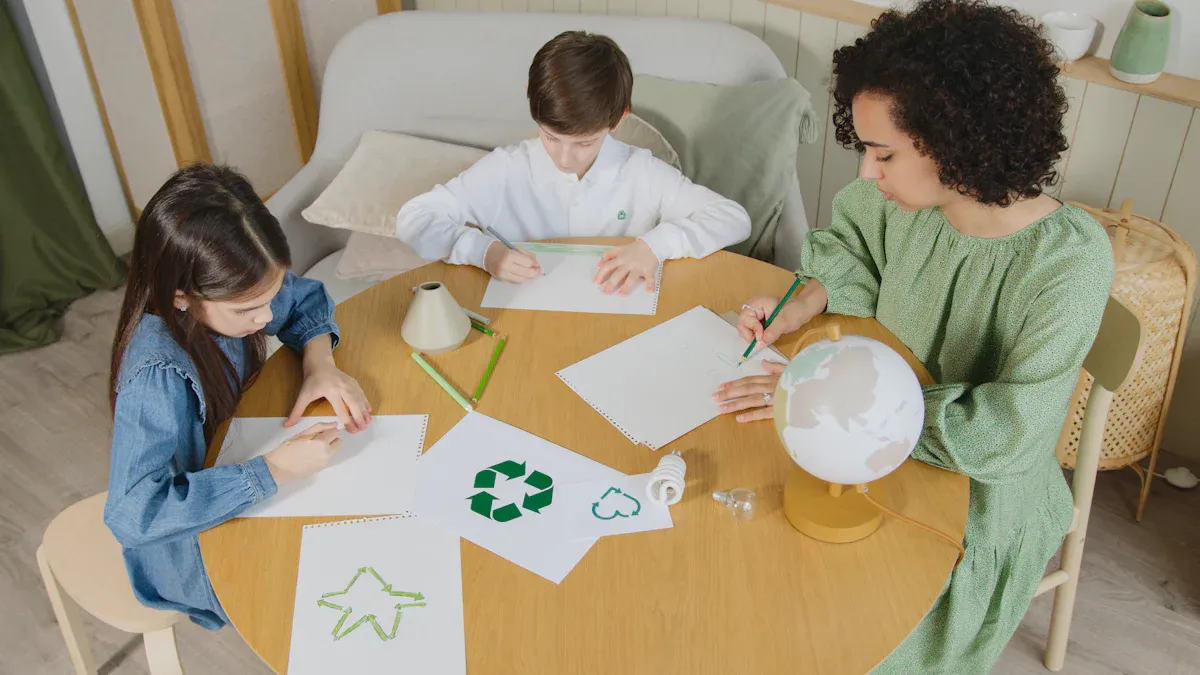
Have you ever thought about how much energy a classroom uses every day? From lighting to heating and cooling systems, energy consumption adds up quickly. The application of energy management solutions in the classroom can make a huge difference. It helps schools save money, reduce their carbon footprint, and create a better learning environment for students.
Here’s the best part: these solutions deliver measurable results. In just two years, schools can see noticeable savings and encourage energy-conscious habits among staff. Over time, these efforts cut operational costs and extend the life of equipment. Plus, they help schools contribute to sustainability goals by reducing waste and emissions. With practical steps, you can make your classroom more energy-efficient and environmentally friendly.
Key Takeaways
Begin with an energy check to find where energy is wasted. This shows areas to fix and improve.
Use LED lights to save up to 75% on energy. Add motion sensors to turn lights off by themselves.
Update heating and cooling systems with smart thermostats for better control. Keep systems working well with regular check-ups.
Teach students and staff to save energy through fun activities. Getting involved helps everyone learn and take action.
Look for grants or cheap ways to save money on energy. Small changes can save a lot over time.
Assessing Current Energy Usage
Conducting an Energy Audit
Understanding how your classroom uses energy is the first step toward making it more efficient. Conducting an energy audit helps you uncover where energy is being wasted and where improvements can be made. These audits typically involve a detailed review of energy usage in areas like heating, lighting, air conditioning, and even water systems. Professionals often perform these audits using methods such as walk-through inspections, detailed energy assessments, or targeted audits. Each method identifies opportunities to save energy and evaluates how well your current systems are performing.
When it comes to lighting and HVAC systems, specific tools and technologies can pinpoint inefficiencies. Here’s a quick look at some of the most effective ones:
Tool/Technology
Function/Benefit
Diagnostic Tools
Measure pressure and airflow for precise readings.
Energy Consumption Data
Analyze utility bills to spot patterns of overuse.
Benchmarking Standards
Compare system performance to industry guidelines.
Smart Thermostats
Provide real-time data for better decision-making.
Automation
Adjust settings based on occupancy or weather.
Common inefficiencies found during audits include air duct leaks, outdated equipment, and energy overuse when classrooms are empty. Addressing these issues can lead to significant savings.
Setting Baseline Metrics
Once you’ve identified inefficiencies, it’s time to set baseline metrics. These benchmarks help you measure your current energy usage and track improvements over time. Tools like the Sustainability Tracking, Assessment, and Rating System (STARS) and Energy Star’s Portfolio Manager are great for this. They allow you to compare your energy use with other schools and identify areas for improvement.
You can also use software solutions to monitor energy data. For example:
Switching to LED lighting is one of the simplest ways to save energy in classrooms. LEDs last much longer than traditional bulbs and emit less heat. This not only reduces energy consumption but also lowers cooling demands during warmer months. In fact, lighting accounts for nearly 30% of a school’s electricity use. By replacing traditional bulbs with LEDs, you can cut energy consumption by up to 75%. Plus, LEDs don’t require ballasts, which means lower maintenance costs over time.
To take it a step further, consider installing motion sensors and timers. These devices automatically turn off lights when no one is in the room. This small change can make a big difference in energy efficiency.
Motion sensors ensure lights are only on when needed.
Timers can be programmed to turn off lights after school hours.
Both options are cost-effective and easy to implement.
Modernizing HVAC Systems
Heating and cooling systems often consume a large portion of a school’s energy. Upgrading to programmable thermostats allows you to control temperatures more efficiently. For example, you can set the thermostat to lower heating or cooling during weekends or holidays. Regular maintenance is equally important. Clean filters and well-maintained equipment ensure your HVAC system runs at peak performance, saving energy and extending its lifespan.
However, modernizing HVAC systems can be expensive. Some schools rely on federal programs like ESSER to cover costs, but these funds may not always be enough. For instance, one school district faced a $6.5 million shortfall for its HVAC project. Planning and budgeting are crucial to avoid such challenges.
Integrating Renewable Energy
Renewable energy is a game-changer for schools. Solar panels are a popular choice, as they generate clean electricity and reduce utility bills. Wind turbines can also be effective in areas with consistent wind. Other options include biomass technologies, like wood pellet boilers, and geothermal systems that use the earth’s stable temperatures for heating and cooling.
To make these projects more affordable, schools can explore grants and incentives. Programs like the Renew America’s Schools Program offer funding to help schools adopt renewable energy solutions. Partnering with local businesses or non-profits can also provide additional financial support.
Tip: Conduct a feasibility study before investing in renewable energy to ensure it’s the right fit for your school.
Getting everyone on board is key to making energy management successful. You can start by conducting workshops or short training sessions to teach students and staff about energy conservation. These sessions don’t have to be long or complicated. A quick talk during an assembly or a 15-minute classroom discussion can go a long way in raising awareness.
Want to make it more engaging? Try launching energy-awareness campaigns or competitions. For example:
Recognize the "Green Classroom of the Month" for the class that saves the most energy.
Organize challenges where students and staff compete to reduce energy use.
These activities not only educate but also motivate everyone to take action. When people feel involved, they’re more likely to adopt energy-saving habits.
Creating a Culture of Sustainability
Building a culture of sustainability takes effort, but it’s worth it. Start by establishing classroom energy champions. These students can lead by example and encourage their peers to follow energy-saving practices. You could even rotate this role so everyone gets a chance to participate.
Incorporating energy-saving habits into daily routines is another effective strategy. Simple actions like turning off lights when leaving a room or unplugging devices when not in use can make a big difference. You can also introduce fun initiatives like:
Holding an "Energy-Free Day" where students try to go without power for a day.
Conducting a lunchbox audit to connect daily habits with environmental impacts.
Tip: Role modeling is powerful. When you practice these habits yourself, students are more likely to follow suit.
By promoting these practices, you’re not just saving energy—you’re teaching valuable lessons about responsibility and sustainability. Over time, these efforts can lead to measurable outcomes, like empowering students and staff to embrace a whole-institution approach to sustainability.
Overcoming Challenges
Addressing Budget Constraints
Budget constraints are one of the biggest hurdles schools face when implementing energy management solutions. Rising energy costs can strain financial resources, leaving little room for upgrades or maintenance. This often leads to delayed repairs, which can negatively impact the learning environment. Additionally, reallocating funds to cover energy expenses may reduce the availability of educational materials and training opportunities.
To overcome these challenges, you can explore government grants and funding programs. Many initiatives, like the Renew America’s Schools Program, provide financial support for energy-saving projects. These grants can help cover the costs of upgrades, such as modernizing HVAC systems or installing renewable energy solutions.
If grants aren’t enough, focus on low-cost, high-impact solutions. Start with simple steps like upgrading to LED lighting or using motion sensors to control lights. Here’s a list of other affordable options:
Turn off electronics at the end of the day.
Use energy-saving power strips.
Take advantage of natural lighting.
Repair leaky taps and toilets.
These small changes can lead to significant savings without breaking the bank.
Managing Resistance to Change
Change can be hard, especially when it involves new systems or habits. Teachers, staff, and even students may resist energy management initiatives. To address this, focus on clear communication. Explain the benefits of energy management in simple terms. Highlight how it saves money, reduces environmental impact, and improves the overall learning environment. When people understand the "why," they’re more likely to support the "how."
Involving stakeholders in the decision-making process is another effective strategy. Build a team of change champions who can lead by example and encourage others to participate. Start small with manageable projects, like introducing programmable thermostats or organizing energy-awareness campaigns. Providing ongoing training and professional development can also help staff feel more confident about adopting new practices.
By addressing concerns and involving everyone in the process, you can create a supportive environment for energy management solutions.
Monitoring and Maintaining Efficiency
Tracking Energy Savings
Tracking energy savings is essential to see how well your energy management efforts are working. Using energy management software can make this process easier and more effective. These tools allow you to monitor energy usage in real time, giving you immediate alerts if there’s a sudden spike in consumption. This means you can act quickly to fix issues before they become costly problems.
Here are some best practices for tracking energy savings:
Set measurable goals and visually track monthly energy bills.
Include all types of energy consumption, not just electricity.
Involve staff in conservation efforts by sharing progress and goals.
Comparing your current energy usage to baseline metrics is another important step. Tools like START help schools benchmark their energy use and track sustainability levels. They also provide hard data on energy consumption and greenhouse gas emissions, making it easier to measure progress.
Define what you’re measuring: total energy use, savings, or clean energy percentage.
Consistency in Measurement
Use the same methods for all measurements to ensure accurate comparisons over time.
By following these steps, you’ll have a clear picture of your energy savings and areas for improvement.
Ensuring Long-Term Success
Maintaining energy efficiency isn’t a one-time effort. Scheduling regular maintenance and audits is key to keeping systems running smoothly. For example, clean HVAC filters and well-maintained lighting systems last longer and use less energy. Regular audits also help you spot new inefficiencies that may arise over time.
Updating systems and practices as needed is another way to ensure long-term success. Start small by encouraging behavioral changes, like turning off lights when leaving a room. Over time, invest in upgrades like better insulation or advanced HVAC systems. These changes may cost more upfront but offer significant savings in the long run.
Tip: Make energy-saving a shared goal. When students, teachers, and staff work together, the results are even better.
By staying proactive and involving everyone, you can maintain efficiency and keep your school on the path to sustainability.
Remember, success comes from teamwork. Engage students, teachers, and staff in energy-saving initiatives. When everyone works together, you’ll see lasting benefits—lower costs, reduced environmental impact, and improved academic performance. Take the first step today and make energy efficiency a priority in your school
Click the button to contact us for more information