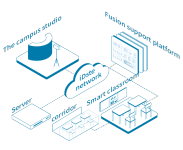
You enter a virtual classroom and find an interactive digital space where teachers deliver lessons in real time. This environment uses video conferencing and shared whiteboards to create a flexible and accessible learning experience. In 2025, these classrooms combine advanced tools, such as live quizzes and collaborative whiteboards, to boost engagement and help you connect with classmates and teachers worldwide. Understanding the definition virtual classroom virtual class definition virtual classroom meaning define virtual class helps you, your parents, and educators make the most of modern learning.
Key Takeaways
Virtual classrooms offer real-time, interactive learning experiences that connect students and teachers from anywhere in the world.
Key features include HD video, interactive whiteboards, and breakout rooms, which enhance engagement and collaboration.
Students benefit from personalized learning, as AI-driven tools adapt lessons to fit individual needs and learning styles.
Both synchronous and asynchronous interactions provide flexibility, allowing students to learn at their own pace while still participating in live sessions.
Virtual classrooms remove physical barriers, making education accessible to everyone, regardless of location or personal circumstances.
When you hear the term virtual classroom, you might picture a regular classroom, but online. In 2025, the definition virtual classroom virtual class definition virtual classroom meaning define virtual class goes beyond just video calls. A virtual classroom is a digital space where you join live lessons, interact with your teacher, and work with classmates, all in real time. You use tools like HD video, interactive whiteboards, and group chats to make learning active and engaging.
Tip: Virtual classrooms help you connect with teachers and friends from anywhere in the world. You do not have to be in the same city or even the same country.
Here are the main components that define a virtual classroom in 2025:
Interactive whiteboards for drawing and sharing ideas.
Breakout rooms for small group learning and teamwork.
AI-powered transcripts and captions to help everyone follow along.
Gamification tools like badges and leaderboards to make learning fun.
Multi-language interfaces so you can learn in your preferred language.
Integration with learning management systems for easy access to assignments.
Advanced moderation and privacy controls to keep your classroom safe.
These features make the virtual classroom meaning clear: it is a place where you learn, share, and grow together, even if you are not in the same room.
Virtual Class Definition and Key Features
You might wonder how a virtual classroom is different from other online learning spaces. The virtual class definition focuses on real-time, interactive learning. You join live sessions, ask questions, and get instant feedback. This is not just watching videos or reading lessons on your own.
Tech-based teaching and learning, often self-paced
Interaction style
Immediate, two-way interaction
Real-time and delayed communication
Access to learning resources
Content during live class or follow-up materials
Always accessible content for self-paced learning
Assessment tools
Verbal participation, live quizzes, or short polls
Full assessment functionality including quizzes
You use many digital, interactive, and real-time features in a virtual classroom. These include:
Video and audio conferencing for face-to-face lessons.
Interactive collaboration tools like whiteboards and group chat.
Quizzes and assignments with instant feedback.
Recording options so you can review lessons later.
Collaboration is a big part of the definition virtual classroom virtual class definition virtual classroom meaning define virtual class. You work with classmates in breakout groups, use polls to share your ideas, and join community learning tasks. These activities help you feel part of a team, even when you learn from home.
Personalized learning also plays a key role. AI-driven platforms adjust lessons to fit your learning style and pace. You get content that matches your strengths and interests. The system can change lessons in real time if you need extra help or want more challenge.
Note: Many people think online learning means you are alone, but virtual classrooms offer many ways to connect and work with others. You can ask questions, join group projects, and get support from your teacher.
The definition virtual classroom virtual class definition virtual classroom meaning define virtual class in 2025 is all about creating a digital space where you can learn, interact, and succeed—just like in a traditional classroom, but with more flexibility and new technology.
You step into a virtual classroom and find a range of digital tools that make learning interactive and engaging. These tools help you connect with your teacher and classmates, share ideas, and complete assignments. Here are the main technologies you use in a virtual classroom:
Interactive learning tools: You play games, take quizzes, and join polls that make lessons fun and help you remember what you learn.
Collaborative platforms: You work together with classmates on projects, share documents, and brainstorm ideas in real time.
Educational apps: You practice skills, watch videos, and get personalized lessons that match your learning style.
These tools create a digital space that matches the definition virtual classroom virtual class definition virtual classroom meaning define virtual class. You do not just watch lessons; you participate, ask questions, and get feedback right away.
Virtual classrooms give you two main ways to interact: real-time and asynchronous. Real-time, or synchronous, means you join live lessons, talk with your teacher, and get immediate feedback. Asynchronous means you learn at your own pace, watching recorded lectures, reading materials, and joining discussions when you have time.
Interaction Type
Description
Synchronous
You join live lessons and talk with your teacher and classmates. You get feedback right away.
Asynchronous
You watch videos, read lessons, and complete assignments whenever you want.
Lectures
You can pause and take notes during recorded lessons.
Tests and Quizzes
You finish quizzes online and see your results instantly.
Assignment Directions
You read instructions and check them whenever you need.
Discussions
You join forums and share your ideas, even if you are not online at the same time as others.
Instructor Participation
Your teacher joins forums to answer questions and encourage you.
Multimedia Interactions
You use tools for voice and video discussions that fit your schedule.
Instructor Q&As
You ask questions in forums and get answers in writing or video.
You benefit from both types of interaction. Real-time lessons help you stay focused and get help quickly. Asynchronous activities let you learn when it works best for you. This blend makes learning flexible and helps you succeed.
Simulating Traditional Classroom Experience
Virtual classrooms use technology to create an experience that feels like a regular classroom. You join live lessons, work in small groups, and use interactive whiteboards. These features help you feel connected and part of a team, even when you learn from home.
You learn skills faster and more effectively than with traditional training.
VR training during Covid19
You become better at safe examinations and feel more satisfied with your learning.
VR training enhancing communication
You improve teamwork and communication, especially under stress.
Teachers use real-time feedback to help you grow. You get personalized comments, see your progress, and learn from your mistakes right away. Interactive assessments and emoji reactions let you show how you feel and what you understand. This makes learning active and helps you remember more.
Note: Virtual classrooms also help teachers keep learning fair. They use technology to check for cheating and design assignments that encourage honesty. You learn in a safe and supportive environment.
Virtual classrooms cost less than traditional classrooms, especially when more students join. You get access to lessons and resources without needing to travel or buy extra materials. Teachers face challenges, like making sure everyone has the right technology and helping students stay focused. They work hard to create lessons that keep you engaged and help you learn.
You experience a classroom that uses the best parts of technology and teamwork. The definition virtual classroom virtual class definition virtual classroom meaning define virtual class means you learn, interact, and succeed in a space that feels just like school, but with more flexibility and new tools.
Virtual Classroom vs. Online Learning
Differences from Digital Classrooms
You might wonder how a virtual classroom stands apart from a digital classroom. Both use technology, but they work in different ways. In a virtual classroom, you join live lessons and interact with your teacher and classmates in real time. Digital classrooms often let you learn at your own pace, with lessons and assignments available anytime.
Teachers set up communication strategies to keep you informed and involved.
Technology and interactive tools help you share ideas and ask questions.
In-person classes give you instant feedback and help you think critically.
Physical classrooms build a sense of community and belonging.
Students in traditional classrooms often feel more motivated and connected.
Online learning gives you flexibility and lets you learn from anywhere.
Virtual classrooms need careful management to avoid disruptions.
Face-to-face classes help you work together and build strong relationships.
Tip: Virtual classrooms use special tools to make sure you feel included and active, even when you learn from home.
Comparison with Learning Management Systems
You may use a learning management system (LMS) to organize assignments and track your progress. Virtual classrooms focus more on live interaction and teamwork. LMS platforms often provide structure and resources, but sometimes lack the direct contact you get in a virtual classroom. Many students find that virtual classrooms offer flexibility, but sometimes struggle with poor internet or less direct interaction. LMS platforms can help you stay organized, but may not always keep you engaged or connected with your teacher and classmates.
Unique Features of Virtual Classrooms
Virtual classrooms offer features that make learning more interactive and fun. You join live sessions, use polls, and work in breakout rooms. These tools help you participate and stay focused. The environment feels structured, so you know what to expect each day. You learn by doing, not just by watching.
Feature
Virtual Classrooms
Other Online Learning Platforms
Interaction
Real-time interaction with tools
Limited interaction
Engagement Tools
Polls, emojis, breakout rooms
Often lacks built-in engagement tools
Structure
Structured environment for focused learning
Less structured, may lead to passive learning
Learning Focus
Active learning through participation
May rely on passive observation
Note: Virtual classrooms help you stay active and connected, making learning more enjoyable and effective.
Benefits of Virtual Classrooms
Student Engagement and Flexibility
You find that virtual classrooms make learning more engaging and flexible. Interactive tools like quizzes, polls, and games help you stay interested in lessons. Many students show better learning outcomes in online settings than in traditional classrooms. The design of your learning experience matters most for keeping you engaged. Virtual reality and multimedia tools add excitement and help you understand topics better. You can learn from anywhere, which helps if you have a busy schedule or live far from school. Recorded sessions let you review lessons at your own pace. Accessibility features, such as closed captions and screen readers, support students with disabilities. You can also join discussions using live chat or forums, which helps if you feel shy in person.
Tip: Collaborative activities and group projects in virtual classrooms encourage you to work with classmates and share ideas.
Teacher Efficiency and Reach
Virtual classrooms help teachers reach more students and use their time wisely. Certified teachers can teach students in different locations, solving problems with staff shortages. Schools can offer more courses and enroll more students by using online instruction. Teachers use virtual reality to practice and improve their skills in a safe environment. Hybrid models combine in-person and remote teaching, giving you the best of both worlds. Teachers can track your progress easily and give feedback quickly.
Teachers can teach students from many places at once.
Teachers use technology to improve lessons and reach every student.
Overcoming Physical Barriers
You benefit from virtual classrooms because they remove many physical barriers. You can join class even if you live far away or cannot travel. Accessibility features, such as closed captions, screen readers, and keyboard shortcuts, make learning possible for everyone. Virtual classrooms support different learning styles, so you can learn in the way that works best for you.
Learning Style
Description
Tools and Strategies
Verbal
Speaking and writing
Live video, online whiteboards
Visual
Seeing and drawing
Diagrams, multimedia sharing
Auditory
Listening and music
Audio activities, music lessons
Social
Group work and collaboration
Breakout rooms, group projects
Physical
Hands-on activities
Interactive games, competitions
Logical
Problem-solving and puzzles
Math challenges, logic discussions
You feel included and supported, no matter your needs or background. Virtual classrooms create a space where everyone can learn and succeed.
You experience a virtual classroom as a digital space where you learn, interact, and grow with others in real time. These classrooms in 2025 offer you personalized lessons, teamwork, and exciting tools that make learning fun.
Benefit
Description
Community Building
You connect and collaborate, building a sense of belonging.
Enhanced Engagement
Interactive tools and multimedia keep you interested and involved.
Personalized Learning
Lessons adapt to your needs and learning style.
You will see even more changes soon, like virtual reality and AI, making your learning journey even better. A virtual classroom lets you learn, share, and succeed—no matter where you are.
FAQ
What is the main difference between a virtual classroom and regular online learning?
You join live lessons and interact with your teacher and classmates in a virtual classroom. Regular online learning often lets you study alone and at your own pace. The definition virtual classroom virtual class definition virtual classroom meaning define virtual class highlights real-time interaction.
Can you ask questions during a virtual class?
You can ask questions at any time during a virtual class. Teachers answer you right away. This helps you understand lessons better and stay engaged.
Do virtual classrooms support group work?
You work with classmates in breakout rooms or group projects. Virtual classrooms use tools that help you share ideas and solve problems together. This teamwork makes learning more interactive.
Are virtual classrooms safe for students?
You learn in a secure environment. Teachers use privacy controls and moderation tools to keep your classroom safe. You can focus on learning without worrying about safety.
Click the button to contact us for more information