37% report that tardiness and skipping class also interfere with teaching. When you follow routines and your teacher uses positive strategies, classroom disruptions can drop by 75%. One article on classroom management shows a 20% increase in academic achievement with strong routines. This definition classroom management article on classroom management why is classroom management importan for every classroom.
Key Takeaways
Classroom management creates a focused learning environment. Clear expectations and routines help reduce disruptions and improve academic performance.
Setting behavioral expectations is crucial. Knowing the rules makes you feel safe and ready to learn, leading to better focus and engagement.
Positive reinforcement motivates good behavior. Praise and rewards encourage you to follow rules and participate actively in class.
Building strong relationships with your teacher enhances learning. When teachers show care and interest, students feel valued and more engaged.
Effective time and space management supports learning. A well-organized classroom helps you stay focused and comfortable during lessons.
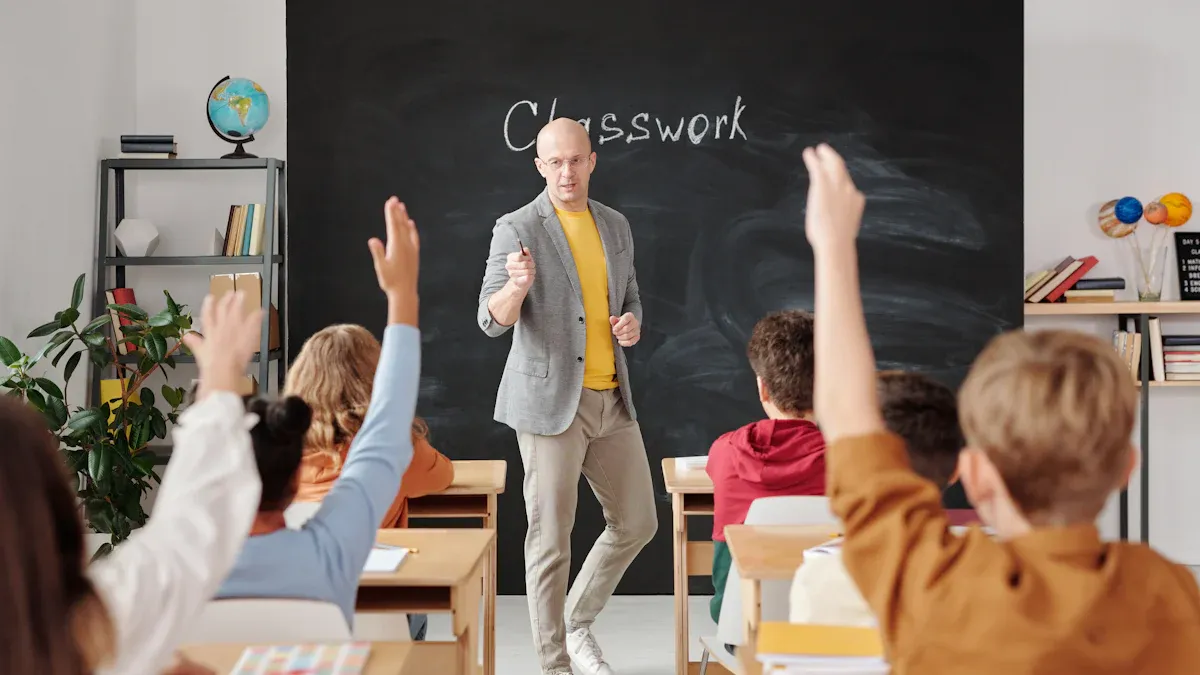
You might wonder what classroom management really means. In education, classroom management is the set of skills, practices, and strategies you use to keep your classroom organized, focused, and productive. Teachers use these tools to help you and your classmates stay on task, follow rules, and learn in a safe environment. When you look at a definition classroom management article on classroom management why is classroom management importan, you will see that it covers everything from setting clear expectations to creating a welcoming space for everyone.
Classroom management also means building routines that help you know what to expect each day. Teachers use positive language and involve students in making rules. This helps everyone feel respected and ready to learn. For example, when your teacher lets you help set classroom rules, you are more likely to follow them. Using positive words encourages you to treat others with respect.
Classroom management is one of the foundations of a strong educational system. When teachers use effective management, you see fewer disruptions and more learning. Research shows that high-quality classroom management can lower disruptive behavior and boost academic achievement. The following table shows how important classroom management is for student success:
Evidence Type
Findings
Meta-analysis by Oliver et al. (2011)
High-quality classroom management has an average effect size of 0.80 on reducing disruptive behavior.
Meta-analysis by Marzano et al. (2003)
Found a significant effect size of 0.52 for academic achievement linked to classroom management.
Study by Stronge et al. (2011)
Classroom management was the only significant predictor differentiating top-quartile from bottom-quartile teachers.
When you read a definition classroom management article on classroom management why is classroom management importan, you will find that strong management helps everyone feel safe and ready to learn. Teachers who use these strategies create classrooms where students want to participate and succeed.
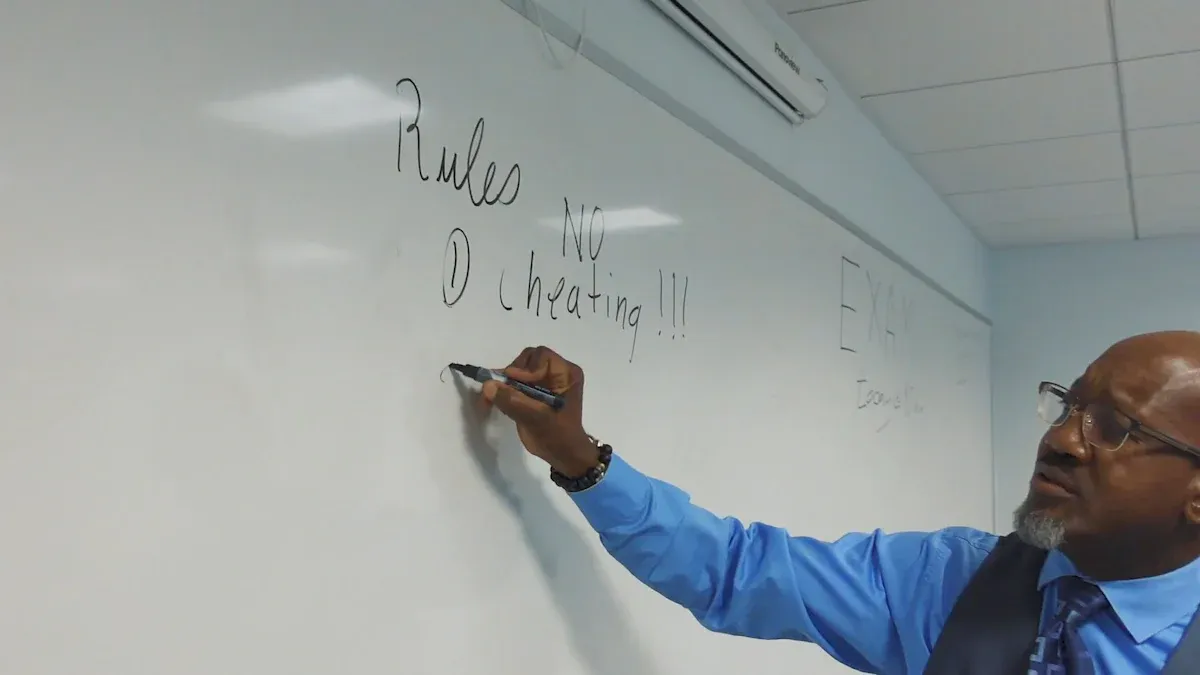
Setting clear behavioral expectations helps you know exactly what is expected in the classroom. When you understand the rules, you feel safe and ready to learn. Teachers who explain and model these expectations see fewer disruptions and more student engagement. A study found that when teachers teach behavioral expectations directly, students show better focus, more positive interactions, and higher academic performance.
“A positive learning environment is created when you value participatory teaching and learning and when there is trust and rapport among students and between yourself and students. To establish trust that leads to true participation and engagement in learning, you first need to set the stage by establishing a learning environment in which all students feel valued, safe, and supported.”
Here are some steps you can follow to meet behavioral expectations:
Learn three to five main expectations, such as “Be Respectful,” “Be Responsible,” and “Be Safe.”
Practice what these expectations look like in different classroom situations.
Watch your teacher model the behaviors and try them yourself.
Get feedback and praise when you meet expectations.
When you read a definition classroom management article on classroom management why is classroom management importan, you will see that clear expectations help everyone succeed.
Routines and Procedures
Routines and procedures make your day predictable and help you know what to do next. They reduce confusion and keep the classroom running smoothly. Teachers use routines for entering the room, turning in homework, and moving between activities. This structure gives you confidence and independence.
Evidence Type
Description
Establishing Expectations
Procedures define what is expected, reducing confusion.
A structured classroom helps you feel secure and focused.
Maximizing Instructional Time
Good routines mean less time wasted and more time learning.
Promoting Positive Behavior
Consistent routines support good behavior.
Enhancing Student Independence
Clear procedures help you manage your actions and decisions on your own.
Some common classroom routines include:
Entering and exiting the classroom
Turning in assignments
Asking for help during independent work
Using classroom supplies
Transitioning between activities
A definition classroom management article on classroom management why is classroom management importan often highlights how routines boost learning and reduce stress.
Reinforcement and Acknowledgment
Reinforcement means recognizing and rewarding positive behavior. When your teacher praises you for following directions or working hard, you feel motivated to keep it up. Immediate feedback, like a smile or a kind word, helps you know what you did right.
Behavior-specific praise, such as “Great job raising your hand before speaking,” helps you understand exactly what you did well.
A positive-to-corrective statement ratio of 5:1 creates a supportive classroom.
Types of reinforcement include:
Positive reinforcement: Stickers, extra recess, or praise for good work.
Social reinforcement: Smiles, high-fives, or positive notes home.
Activity reinforcement: Extra time on a favorite activity.
You can also earn tokens for good behavior, which you can trade for rewards. Consistent and immediate reinforcement helps everyone stay on track.
Building Relationships
Strong relationships between you and your teacher make the classroom a better place to learn. When your teacher knows your interests and cares about your success, you feel valued. This connection encourages you to participate and try your best.
Evidence
Explanation
Teacher-student relationships motivate students to work hard and reduce unexcused absences.
This leads to better academic performance and helps close the achievement gap, which is crucial for effective classroom management.
Increased engagement results in fewer behavioral issues, contributing to a more manageable classroom environment.
Improved relationships foster a supportive learning environment.
A supportive environment encourages self-regulation among students, leading to better behavior and less need for disciplinary actions.
Ways to build strong relationships:
Greet your teacher and classmates each day.
Share your interests and listen to others.
Show respect and kindness.
Receive meaningful feedback and encouragement.
A classroom with strong relationships feels safe and welcoming for everyone.
Organizational Skills
Organizational skills help you and your teacher keep the classroom running smoothly. When materials are ready and lessons are planned, you spend more time learning and less time waiting.
Effective classroom management begins with strong organizational skills—preparing your materials carefully, practicing with the technology, and getting a sense of how to best organize and move around in the room, but that’s not where the planning ends.
Helpful organizational tools include:
Digital tools for tracking assignments and grades
Clear systems for turning in and returning work
Visual schedules and checklists
Organized storage for supplies
When you stay organized, you feel less stressed and more prepared for each day.
Time and Space Management
Managing time and space in the classroom helps you stay focused and comfortable. Good time management means you have enough time for each activity without feeling rushed. Arranging the classroom space so everyone can see, hear, and move easily supports learning.
The study indicates that effective time management and organizational skills are crucial for online students' success and engagement. It highlights that students often develop unique strategies to manage their study time amidst other commitments, although some still face challenges that lead to stress and disengagement.
Best practices for managing time and space:
Start each lesson on time and follow a daily schedule.
Use timers to keep activities on track.
Arrange desks so everyone can participate.
Provide quiet areas for students who need a break.
Meeting your basic needs, like having water and snacks, also helps you focus on learning.
Positivity and Consistency
A positive and consistent classroom climate helps you feel safe and ready to learn. When your teacher uses encouraging words and follows through with rules, you know what to expect. This builds trust and helps you do your best.
Research indicates that maintaining positivity and consistency in the classroom climate is essential for fostering positive student behavior and interactions. Supportive relationships, clear expectations, and positive reinforcement are critical in shaping a conducive learning environment.
Tips for staying positive and consistent:
Celebrate successes, big and small.
Use the same rules and routines every day.
Support classmates who need extra help.
Follow through on promises and consequences.
When you read a definition classroom management article on classroom management why is classroom management importan, you will see that positivity and consistency are key to a happy and successful classroom.
Article on Classroom Management: Practical Tips
Implementation Strategies
You can make your classroom a positive place by using proven strategies. Start by setting clear expectations. Involve your classmates in creating rules. This helps everyone feel responsible for their actions. Next, establish routines for daily activities. Predictable routines reduce confusion and help you know what to do. Stay consistent with rules and consequences. When you use positive reinforcement, such as praise or small rewards, you encourage good behavior.
Here are practical tips you can use:
Set clear expectations and discuss them with your classmates.
Create routines for entering the classroom, turning in work, and transitions.
Be consistent with rules every day.
Use positive reinforcement like praise or incentives.
Build strong relationships by getting to know your classmates.
Be proactive and plan engaging lessons to prevent disruptions.
Make sure everyone feels included and respected.
Communicate with parents about classroom behavior.
Reflect on your strategies and adjust when needed.
Teachers use different techniques to support classroom management. The table below shows some evidence-based strategies and their focus areas:
Strategy
Focus Area
MTSS Tier
Developmental Stages
Classroom Reset
Classroom Expectations
Tier 1, Tier 2
Upper Elementary, Middle School, High School
Turtle Technique
Self Management & Regulation
Tier 1, Tier 2
Lower Elementary, Upper Elementary
Daily Behavior Report Card
Motivation
Tier 2, Tier 3
Lower Elementary, Upper Elementary, Middle School, High School
Classroom Buddies
Social Skills
Tier 1, Tier 2
Lower Elementary, Upper Elementary
Mystery Motivator
Positive Behavior Reinforcement
Tier 3
Lower Elementary, Upper Elementary
A definition classroom management article on classroom management why is classroom management importan often highlights these strategies as essential for a successful classroom.
Overcoming Challenges
You may face challenges when applying classroom management strategies. Many teachers find it hard to manage student behavior without raising their voice. Keeping everyone engaged can be tough. Every student learns differently, so meeting diverse needs is another challenge. In fact, 54% of teachers say classroom management and student behavior are major concerns.
Challenge
Description
Managing student behavior
You may struggle to keep a lively classroom calm without losing patience.
Maintaining engagement
Capturing and keeping attention is difficult.
Addressing diverse learning needs
Each student is unique, which makes it hard to meet everyone's needs.
When teachers have trouble with classroom management, they often feel more stress and less job satisfaction.
You can overcome these challenges with simple solutions:
Set clear expectations for noise levels and use nonverbal cues.
Plan a flexible schedule and use technology to save time.
Establish clear rules for off-task behavior and redirect attention with questions.
Use the "I Do, We Do, You Do" approach to model and practice behaviors.
Develop routines for common activities and use visual cues for transitions.
Practice transitions until they become smooth.
These solutions help you create a classroom where everyone feels safe and ready to learn.
Classroom management shapes your learning every day. When you use clear expectations, routines, and positive reinforcement, you help create a classroom where everyone feels safe and ready to learn. Research shows that strong management reduces stress for teachers and boosts your academic achievement.
You can make a difference by following these steps:
Set clear expectations with your classmates.
Celebrate successes together.
Use reminders and feedback to stay on track.
Consistency, positivity, and strong relationships help you and your classmates thrive.
FAQ
What is the first step to improve classroom management?
You can start by setting clear expectations. Explain rules and routines at the beginning of the year. Practice them with your classmates. Use reminders to help everyone remember what to do.
How do you handle disruptive behavior in class?
Stay calm and use positive language. Redirect the student’s attention with a simple cue or question. Give praise when you see improvement. Consistency helps you manage disruptions.
Why are routines important for students?
Routines help you know what to expect each day. They make transitions smoother and reduce confusion. You feel more confident and ready to learn when you follow routines.
How can you build strong relationships with your teacher?
Greet your teacher each morning. Share your interests and listen when your teacher speaks. Show respect and ask for feedback. Strong relationships help you feel safe and supported.
Click the button to contact us for more information