An av-system, also known as an a/v system or AV system, combines audio and visual technology to help you share information clearly. If you’re wondering, "what is an av system?" or "whats an av system?", just look around—these systems are everywhere, from classroom av system setups to offices and homes. The main goal of an a v syste is to make communication simple and effective for everyone.
An av-system improves your experience by making it easier to see, hear, and understand information in any setting, whether it’s a classroom av system or a business environment.
Key Takeaways
An AV system combines audio and visual technology to enhance communication in classrooms, offices, and events.
Key components of an AV system include displays, audio equipment, microphones, and control systems that work together for clear presentations.
Modern AV systems can integrate with smart devices and networks, allowing for easy control and automation of settings.
Using AV systems improves engagement and collaboration, making lessons and meetings more interactive and effective.
When choosing an AV system, consider features like user-friendly controls, sound quality, and compatibility with existing devices.
You might ask, "av-system what is an av system a/v system av system whats an av system classroom av system a v syste?" An AV system is a group of devices that work together to deliver both sound and pictures. You see these systems in classrooms, offices, stores, and even at home. The main job of an AV system is to help you share information in a way that everyone can see and hear clearly. When you use an AV system, you make lessons, meetings, or events more engaging and easier to understand.
AV systems help you connect with others by making your message clear and easy to follow.
Core Components
Every AV system has a few key parts that work together. These parts help you see and hear what is being shared. Here are the main components you will find in most AV systems:
Displays and Projectors: These show videos, slides, or images so everyone can see the content.
Audio Components: Speakers and amplifiers make sure the sound is loud and clear.
Microphones: These pick up voices or sounds so everyone can hear, even in a big room.
Control Systems: Touch panels or remotes let you manage the whole AV system with just a few taps.
You can see how these parts work together in many places. For example, in a classroom av system, the teacher uses a projector to show lessons and a microphone to make sure every student hears. In a conference room, you use displays for presentations and control systems to switch between speakers or share screens.
Component Type
Description
Displays and Projectors
Show videos, presentations, or broadcasts for everyone to see.
Sound Systems
Use speakers, amplifiers, and microphones for clear audio.
Control Devices
Touch panels or remotes make it easy to run the AV system.
Automation Systems
Schedule presentations or adjust lights and sound for different events.
Control Software
Connects all the hardware so everything works smoothly together.
AV systems come in many types. You find them in schools, offices, stores, hotels, and even hospitals. Some systems use smart technology, like AI, to make things easier. For example, new AV systems can track speakers, transcribe meetings, or adjust sound levels automatically. You also see advanced displays, like Micro LED screens, and 3D audio that makes you feel like you are in the middle of the action.
Tip: When you choose an AV system, look for features that match your needs, such as easy controls, clear sound, and bright displays.
How AV Systems Work
Operation
When you use an AV system, you connect devices that capture, process, and deliver sound and images. You start with microphones and cameras that turn real sounds and pictures into electronic signals. These signals go through a process that improves quality, like making voices louder or making videos clearer. The system then sends these signals to speakers and screens, either through cables or wirelessly. Finally, you see and hear the results on displays and speakers.
Devices like microphones and cameras convert real-world sounds and images into electronic signals.
Signal Processing
Modifications such as amplification of audio and compression of video are performed for quality.
Signal Transmission
Processed signals are sent to output devices via wired (e.g., HDMI) or wireless (e.g., Bluetooth) methods.
Signal Output
Output devices like speakers and displays convert signals back into sound and images for user experience.
Control and Integration
Users manage AV components through remote controls or software for a seamless experience.
You can see this process in action every time you use a classroom av system. The teacher speaks into a microphone, the sound gets processed, and students hear it through speakers. The same steps happen when you watch a movie at home or join a video call at work.
If you want to set up an av-system what is an av system a/v system av system whats an av system classroom av system a v syste, you usually follow these steps:
Design a plan that fits your space and security needs.
Deploy the system and train users to make sure everything works smoothly.
Integration
Modern AV systems work with many other technologies. You can connect AV equipment to smart devices, IT networks, and even building management systems. This integration lets you control lights, temperature, and security from one place. You can use voice commands or mobile apps to adjust settings, making everything easier and more comfortable.
Here’s a table showing how AV systems connect with other technologies:
Integration Method
Description
AV Control Systems
Integrated with building management and home automation platforms using standard protocols.
Centralized Management
Lets you monitor AV, lighting, HVAC, and security through a single interface.
Automation Algorithms
Uses sensors to optimize AV usage and adjust settings automatically.
User Experience
Adds voice recognition and mobile app control for easy use.
AI and Machine Learning
Personalizes settings and schedules based on your habits.
Modular Systems
Open design allows you to add or change devices easily.
Standardized Interfaces
Makes it simple to connect with IoT devices and cloud services.
When you integrate AV systems, you get many benefits:
You improve teamwork and communication because everything connects smoothly.
You control all your devices from one place, saving time.
You can expand your system as your needs grow.
You enjoy a better experience with easy-to-use controls.
You save money by reducing extra equipment.
You keep your data safe with strong security features.
Software may not connect easily with older systems.
Budget limits can make projects harder to finish.
Managing teams for AV and IT can be tricky.
AV Control System
An AV control system helps you manage all your AV devices from one place. You use a touch panel, remote, or software to adjust volume, switch sources, and even control lights. This makes it easy for you to run presentations, meetings, or events without worrying about complicated setups.
Here’s a table showing what an AV control system does:
Component/Functionality
Description
Centralized Platform
Lets you manage many AV devices from a single interface.
User-Friendly Interface
Makes it simple to control audio and visual equipment.
Device Management
Allows you to adjust volume, switch sources, and more.
Advanced Features
Gives you control over lighting and other settings.
You get several advantages with AV control systems:
You manage everything easily, even if you have many devices.
You enjoy a better experience with simple controls.
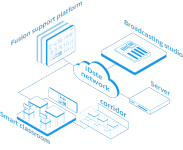
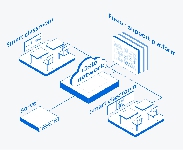
Networked AV systems, also called AV over IP, use regular computer networks instead of special AV cables. You save money because Ethernet cables cost less. You can send signals over longer distances, which helps in big buildings. These systems grow with your needs and work well with future technology.
Here’s a quick comparison:
Aspect
Traditional AV
AV over IP
Infrastructure
Dedicated, AV-specific infrastructure
Uses off-the-shelf, non-proprietary IP switches
Data Compression
Non-compressed signals
Requires compression for transmission
Signal Distance
Limited to 100 meters
More suitable for expansive settings
Scalability
Limited by proprietary systems
Highly scalable, can adapt to various environments
Cost Efficiency
Higher due to specialized hardware
More cost-efficient with standard cabling
AV over IP lets you connect your AV system to your existing network. You get more flexibility and can expand your system easily. You also spend less on wiring and equipment.
Tip: When you choose an AV system, look for one that fits your space, works with your devices, and is easy to control.
Uses
Classroom AV System
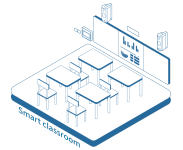
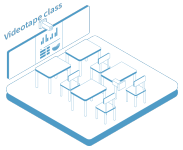
You see AV systems in classrooms every day. These tools help you learn better by making lessons more interactive and fun. Teachers use monitors, smart whiteboards, and microphones to make sure everyone can see and hear the lesson. Speakers and video conferencing systems help students join from anywhere.
Screen readers and VoIP systems support students with disabilities, making learning accessible for all.
Interactive whiteboards and screen sharing let you participate and learn by doing.
Audio systems help teachers project their voices, so every student hears clearly.
AV tools grow with your class size and adapt to new technology.
Evidence Type
Description
Test Score Improvement
Students in AV-enhanced classrooms scored 30% higher on tests compared to traditional settings.
Dropout Rate Reduction
AV technology has been shown to decrease dropout rates by making classes more engaging.
Personalized Learning Opportunities
AV tools allow for customized lessons, catering to individual student needs.
AV systems also help you work with classmates on group projects and discussions. You learn from each other and build teamwork skills.
Conference Room
When you step into a modern conference room, you notice how AV systems make meetings smoother. You find displays, microphones, cameras, and control systems that help everyone share ideas and work together.
AV systems make presentations more exciting with high-resolution images and videos.
Dynamic lighting and sound set the mood and create a memorable atmosphere.
Live streaming lets people join the event from anywhere in the world.
AV System Use
Description
Gobos
Project brand or sponsor logos onto surfaces at the venue.
LED Archway
Show captivating visuals or sponsor logos at the entrance.
Break Videos
Play sponsor ads during breaks to keep the audience engaged.
Set Integration
Use digital backdrops or screens for brand elements in the event set.
LED Bracelets
Flash in brand colors or sync with event activities.
AV technology transforms ordinary events into unforgettable experiences. You remember the sights and sounds long after the event ends.
If you ever wonder about av-system what is an av system a/v system av system whats an av system classroom av system a v syste, just look at how these systems improve learning, meetings, and events around you.
Features
Control
You gain full command over your AV system with modern control features. You can manage everything from a single touch panel or remote, making it easy to adjust settings without technical knowledge. Many systems support DisplayPort and HDMI, so you connect different devices with ease. You also enjoy compatibility with 4K and 8K resolutions, which means your visuals stay sharp and clear. If you want to add more screens or speakers, scalability lets you expand your setup as your needs grow. Customization options allow you to set sound levels and video profiles for different situations.
Automation controls help you save time by handling routine tasks automatically.
Video conferencing solutions make remote collaboration simple and effective.
Integration is key when it comes to modern command and control centers. A cohesive and integrated AV setup allows for seamless communication and data sharing.
Experience
AV systems focus on making your experience smooth and enjoyable. High-definition video quality brings presentations and lessons to life. Superior audio quality, with noise cancellation and echo reduction, ensures everyone hears clearly. User-friendly interfaces mean you spend less time learning and more time using the system. You can share content wirelessly from any device, which makes teamwork easier. Interactive whiteboards and advanced camera systems keep everyone engaged and in view.
Feature
Contribution to User Experience
High-Definition Video Quality
Crystal-clear visuals and smooth playback.
Superior Audio Quality
Clear communication with noise cancellation.
User-Friendly Interfaces
Easy for everyone to use.
Wireless Presentation Solutions
Share content quickly from any device.
Interactive Whiteboards
Real-time collaboration and idea sharing.
Advanced Camera Systems
Keeps speakers in view for better engagement.
Room Scheduling Systems
Easy booking and calendar integration.
Networked AV systems add even more benefits. You can expand your system without major changes, control everything from one place, and enjoy high-quality audio and video. Remote management lets tech teams fix problems quickly, even from far away.
Practical Benefits
AV systems offer real advantages for you and your organization. You lower operational costs because you avoid repeated IT expenses. Better collaboration tools help your team work together, whether in the office or remotely. Simplified onboarding means new users learn the system quickly. Improved communication supports training and teamwork.
Benefit
Description
Lower Operational Costs
Reduce long-term expenses with a one-time investment.
Better Employee Collaboration
Enhance teamwork and connectivity.
Supports Remote Collaboration
Enable global teams to work together easily.
Simplified Onboarding
Help new users adapt quickly.
Better Internal Communication
Improve training and collaboration.
Remote monitoring prevents issues before they affect your work.
Dependability and flexibility ensure quick responses to technical problems.
Instant access to expertise gives you reliable support when you need it.
You also boost productivity. AV systems let you start meetings with one click, adjust settings easily, and focus on your work instead of troubleshooting equipment.
You gain many advantages when you use an AV system. AV consultants design high-quality solutions that fit your needs. You enjoy seamless integration and effective communication in every setting.
Benefit/Function
Description
High-quality AV solutions
Experts create systems for schools, offices, and homes.
Seamless integration
Devices work together for smooth operation.
Effective communication
AV setups help you share ideas easily.
AV systems matter because they improve healthcare, retail, and smart homes. You see new trends like AI features and AV-as-a-Service making AV systems smarter and more flexible.
AI tracks speakers and boosts audio quality.
AVaaS models offer cost savings and easy upgrades.