The Internet of Things (IoT) connects everyday objects to the internet, allowing them to share data and work together. For students, this means smarter tools, better learning experiences, and more convenience in daily life. Imagine using devices that track your attendance automatically or learning through real-world examples provided by IoT-powered e-learning platforms. These technologies not only make education interactive but also prepare you for a tech-driven future.
IoT is already shaping education in exciting ways:
Sensors monitor exams to prevent cheating and ensure fairness.
E-learning tools use IoT to create hands-on learning experiences.
The internet of things for students is not just about technology; it’s about transforming how you learn, live, and prepare for tomorrow.
Key Takeaways
The Internet of Things (IoT) links everyday items to the internet. It helps students learn better and makes daily tasks easier.
IoT tools, like smart gadgets and online learning apps, make studying fun and tailored to each student. This helps them stay interested and learn more.
Automated systems, like tracking attendance, save time for everyone. This gives students and teachers more time to focus on lessons.
Wearable tech, like smartwatches, helps students track their health and stay on schedule. This boosts their productivity.
Learning about IoT gets students ready for future jobs in a fast-growing field with many cool opportunities.
Understanding the Internet of Things for Students
What is IoT?
The Internet of Things (IoT) refers to a system where everyday objects connect to the internet and communicate with each other. These objects, often called "smart devices," can collect and share data to make life easier and more efficient. For example, a smartwatch tracks your steps and sends the data to your phone, helping you monitor your fitness goals.
Weyrich and Ebert (2016) highlight IoT's ability to improve productivity by connecting devices seamlessly.
Tarkoma and Katasonov (2011) explain IoT as a global network with self-configuring capabilities.
Haller et al. (2009) emphasize how connected objects actively participate in processes and integrate into information networks.
In simple terms, IoT makes devices smarter by enabling them to work together and share information.
Key components of IoT
IoT systems rely on several key components to function effectively. These include:
Sensors and Actuators: Sensors collect data from the environment, such as temperature, light, or motion. Actuators perform actions based on the data, like turning on a light.
Connectivity: Devices need a way to communicate. Wi-Fi, Bluetooth, and cellular networks are common methods for connecting IoT devices.
Data Processing: Once data is collected, it needs to be analyzed. This happens in the cloud or on the device itself.
User Interface: The interface allows you to interact with the system. For example, a smartphone app lets you control a smart thermostat.
These components work together to create a seamless experience, making IoT systems efficient and user-friendly.
Examples of IoT devices students use
You might already use IoT devices without realizing it. Here are some examples commonly found in a student's life:
Smartphones: These are central to many IoT systems, acting as controllers for other devices.
Smartwatches: They track your fitness, monitor your sleep, and even remind you to stay active.
E-learning tools: IoT-powered platforms provide interactive learning experiences, such as virtual labs or real-time quizzes.
Smart home devices: Voice assistants like Alexa or Google Home can help you set reminders, play music, or even control lights in your room.
Automatic attendance systems: These systems use IoT to track attendance in classrooms, saving time for both students and teachers.
A recent study shows the variety of IoT applications used by students:
These examples show how the internet of things for students is already making education and daily life more convenient and efficient.
How IoT Works
Connecting devices and sharing data
IoT connects devices by enabling them to communicate and share data through specific communication protocols. These protocols act as the "language" that devices use to exchange information. For example, your smartwatch sends fitness data to your phone using Bluetooth, while a smart thermostat connects to your home Wi-Fi to adjust the temperature remotely.
Different communication protocols make this possible:
A low-power, low-data rate wireless protocol for IoT devices.
Limited security features, susceptible to eavesdropping.
Wi-Fi
A widely used wireless networking technology.
Vulnerable to unauthorized access if not properly secured.
Bluetooth
A short-range wireless technology for connecting devices.
Prone to man-in-the-middle attacks if not encrypted.
These protocols ensure that devices can share data efficiently, but they also require proper security measures to protect your information.
Role of sensors and the internet
Sensors play a crucial role in IoT by collecting data from the environment. They work alongside the internet to transfer this data to IoT platforms, where it is processed and analyzed. For instance, a soil moisture sensor in agriculture measures water levels in the soil and sends the data to a cloud platform. This helps farmers decide when to irrigate their crops.
Here are some examples of how sensors and the internet work together in different fields:
Healthcare: Wearable sensors track vital signs, enabling remote care and early detection of health issues.
Smart Homes: Sensors regulate indoor environments and enhance security through automation.
Manufacturing: Various sensors monitor machinery to predict maintenance needs and prevent downtime.
Retail: Sensors manage inventory and analyze customer behavior to improve shopping experiences.
By combining sensors with internet connectivity, IoT systems can provide real-time monitoring and intelligent responses, making life more efficient and convenient.
Example: Smart home systems
Smart home systems are a great example of how IoT works in real life. These systems use IoT devices like smart lights, thermostats, and security cameras to automate and enhance your living space. For instance, smart lighting systems adjust brightness based on the time of day or whether someone is in the room. This not only saves energy but also creates a comfortable environment.
Many smart home systems also integrate artificial intelligence (AI) to improve their functionality. AI helps devices learn your preferences over time, such as your preferred room temperature or lighting settings. According to recent statistics, 78% of smart home device owners are willing to share data with insurers, and 57% are likely to buy additional devices for discounts. This shows how IoT is not only making homes smarter but also creating new opportunities for collaboration between industries.
Smart home systems demonstrate the potential of the internet of things for students by showing how connected devices can simplify daily tasks and improve energy efficiency.
Applications of IoT in Daily Life
Smart homes and appliances
IoT has revolutionized how you interact with your home. Smart homes use connected devices to make everyday tasks easier and more efficient. For example, smart thermostats adjust the temperature based on your preferences, while smart refrigerators can notify you when you're running low on groceries. These devices not only save time but also help reduce energy consumption.
The global smart home market is growing rapidly. It is expected to increase from $127.67 billion in 2024 to $1.4 trillion by 2034. In the United States alone, the number of smart homes is projected to rise from 69.91 million in 2024 to over 100 million by 2028.
Year
Estimated Number of Smart Homes (in millions)
2025
77.05
2026
84.92
2027
93.59
2028
>100
This growth shows how IoT is becoming an essential part of daily life, making homes smarter and more convenient for you.
Wearable technology
Wearable devices are another exciting application of IoT. These gadgets, like smartwatches and fitness trackers, help you monitor your health and stay active. A smartwatch, for instance, can track your steps, heart rate, and even sleep patterns. This data helps you make better decisions about your health and fitness.
Short-distance speed improved by 0.24 in the 50-meter sprint.
Males showed better endurance in the 1000-meter run, with an improvement of 0.19.
Females saw a 0.16 improvement in the 800-meter run.
Wearable technology is not just about fitness; it’s about helping you live a healthier and more balanced life.
IoT in education tools
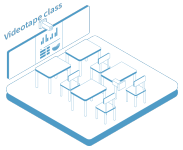
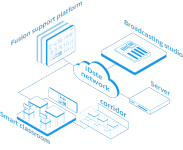
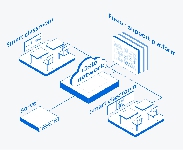
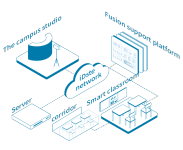
IoT is transforming education by making learning more interactive and personalized. Smart classrooms use IoT devices to create engaging lessons. For example, real-time quizzes and collaborative problem-solving activities make learning fun and effective. Wearable devices can also track your engagement levels, helping teachers adjust their teaching strategies to suit your needs.
Automation of administrative tasks, like attendance tracking.
These tools allow educators to tailor lessons to individual students, ensuring that everyone gets the most out of their learning experience. The internet of things for students is not just about gadgets; it’s about creating opportunities for better education and a brighter future.
Benefits of IoT for Students
Enhancing learning experiences
The internet of things for students has transformed how you learn. IoT-powered tools make lessons more interactive and engaging. For example, smartboards allow teachers to display dynamic content, such as videos or animations, that help you understand complex topics. Virtual reality (VR) headsets, connected through IoT, let you explore historical landmarks or conduct science experiments in a virtual lab. These experiences make learning exciting and memorable.
IoT also personalizes education. Devices like smart tablets can track your progress and suggest activities based on your strengths and weaknesses. This ensures you learn at your own pace and focus on areas where you need improvement.
Improving daily productivity
IoT devices help you manage your time and tasks more effectively. Smartwatches, for instance, can remind you of upcoming assignments or exams. They also track your daily schedule, ensuring you stay organized. Voice assistants, like Alexa or Google Assistant, can set reminders or even help you find information for your homework.
In classrooms, IoT simplifies administrative tasks. Automatic attendance systems save time for both you and your teachers. This allows more time to focus on learning. By streamlining daily activities, IoT helps you stay productive and stress-free.
Making life more convenient
IoT makes your daily life easier by automating routine tasks. Smart home devices, such as connected lights and thermostats, adjust settings based on your preferences. For example, your room can be at the perfect temperature when you return from school.
Wearable devices also enhance convenience. A fitness tracker monitors your health, while a smartwatch keeps you connected to notifications without needing your phone. These technologies save time and effort, allowing you to focus on what matters most.
The Future of IoT for Students
Emerging IoT trends
The future of IoT holds exciting possibilities for education. New trends are shaping how you learn and interact with technology. For example, IoT is automating educational processes like grading and exercise distribution. This saves time for teachers and allows them to focus more on teaching. Interactive content is also becoming more common. Smart screens and whiteboards make lessons engaging and help you understand concepts better.
IoT is improving accessibility for students with special needs. Devices like smart hearing aids and connected braille readers ensure that everyone can participate in learning. However, these advancements require significant investment in infrastructure, such as data analytics platforms and high-speed internet. As awareness grows, educational kits and IoT tools are becoming more popular, offering new ways to explore and learn.
Streamlining tasks such as grading and distributing exercises through IoT technology.
Integration of Interactive Content
Use of smart screens and whiteboards to enhance learning and engage students.
Improved Accessibility
IoT technology aids in making education more accessible, especially for students with special needs.
Investment in Infrastructure
Significant investment is required for data analytics and infrastructure to support IoT solutions.
Growth Opportunities
Increasing awareness and adoption of educational kits can accelerate learning and IoT potential.
Career opportunities in IoT
The IoT industry is growing rapidly, creating numerous career opportunities for you. By 2022, global corporate profits from IoT increased by 21%. With over 75 billion IoT-connected devices expected in the near future, the demand for skilled professionals is rising. You could explore careers in hardware design, testing, integration, or cybersecurity.
These fields require creativity and problem-solving skills. For example, designing IoT devices involves creating efficient systems that connect seamlessly. Cybersecurity experts ensure that these systems remain safe from hackers. If you enjoy technology and innovation, IoT offers a promising career path.
Impact on education and society
IoT is transforming education and society in meaningful ways. In classrooms, it enables personalized learning experiences. Devices track your progress and suggest activities tailored to your needs. This ensures that you learn at your own pace. IoT also automates administrative tasks, giving teachers more time to focus on students.
Beyond education, IoT is making communities smarter. Smart traffic systems reduce congestion, while connected healthcare devices improve patient care. These advancements show how the internet of things for students is not just about learning but also about creating a better world for everyone.
The Internet of Things (IoT) is transforming how you learn, live, and prepare for the future. It enhances your learning experience by making lessons interactive and personalized. IoT tools like wearable devices and AR/VR platforms improve engagement and help you achieve better outcomes. They also enable real-time data collection, giving you immediate feedback to track your progress.
Exploring IoT technologies through hands-on projects can boost your practical skills. These projects let you work on real-world applications, helping you understand how IoT solutions are developed. They also prepare you for exciting career opportunities in a rapidly growing industry.
By embracing IoT, you can unlock endless possibilities for innovation and make a meaningful impact on education and society.
Click the button to contact us for more information