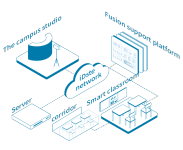
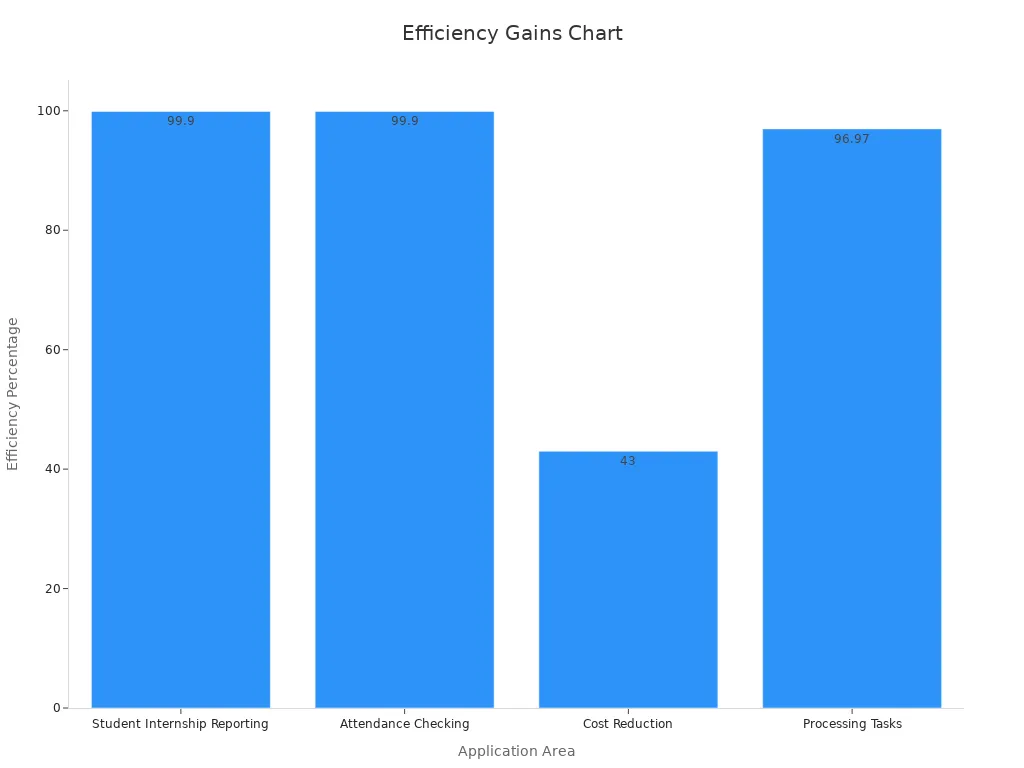
Imagine walking into a classroom where everything feels connected and seamless. That’s the power of IoT in education today, and it highlights the future of IoT in education. Schools are seeing remarkable changes thanks to smart technologies. For example:
These numbers show how IoT is shaping the future of education. It’s not just about gadgets—it’s about smarter, more personalized learning for everyone. The future of IoT in education promises to enhance the learning experience even further.
Key Takeaways
IoT in schools is growing fast. It may reach $17.42 billion by 2028, making learning better.
Smart classrooms use IoT tools to make lessons fun. They also save resources by 25%.
IoT helps students learn in their own way. It adjusts lessons to fit each student and improves results.
IoT makes schools safer with smart security and trackers. This keeps students safe.
IoT tools give schools useful data. This helps them plan lessons and support students better.
Smart Classrooms
Interactive learning with IoT-enabled devices
Imagine walking into a classroom where every device works together to make learning exciting. That’s what IoT-enabled devices bring to the table. These tools, like smartboards, connected tablets, and interactive projectors, turn traditional lessons into dynamic experiences. You’re no longer just reading or listening—you’re actively engaging with the material. For example, gamified simulations powered by IoT make lessons more fun and interactive. Did you know that 97% of students say these simulations help them stay engaged? That’s a game-changer for education.
IoT also helps teachers respond to your needs faster. With real-time data from connected devices, they can see who’s struggling and who’s excelling. This means you get the help you need when you need it. Plus, these tools make group projects more collaborative. Everyone can contribute using shared digital platforms, making teamwork smoother and more enjoyable.
Evidence Type
Findings
Student Engagement
97% of students felt gamified simulations made the content more engaging.
Instructor Responsiveness
First-year students in-person felt instructors were more responsive compared to remote or hybrid formats.
Mental Health Issues
Students in remote or hybrid formats faced more mental health issues.
Optimized environments through automated controls
Now, let’s talk about the classroom environment. IoT doesn’t just make learning interactive—it makes the space smarter too. Automated controls for lighting, temperature, and air quality create the perfect setting for you to focus. No more freezing in winter or sweating in summer. These systems adjust automatically to keep you comfortable.
But it’s not just about comfort. Schools save resources too. Automated systems reduce energy waste by up to 30%. That’s a big deal for sustainability. Real-time monitoring also helps schools track resource usage and make better decisions. For example, dashboards show patterns in energy use, helping administrators cut costs and invest in green projects.
IoT even helps with tasks like attendance and reporting. Automated systems save time and reduce errors, making everything run more smoothly. Imagine a world where teachers spend less time on paperwork and more time helping you learn. That’s the power of IoT in smart classrooms.
Feature/Benefit
Description
Resource Wastage Reduction
The right environmental compliance solution can reduce resource wastage by up to 30%.
Real-time Monitoring
Integrates information across departments for accurate and timely reporting.
Actionable Insights
Provides dashboards for identifying patterns in resource usage, leading to measurable results.
Personalized Learning
Adaptive platforms powered by IoT
Imagine learning at your own pace, with lessons tailored just for you. That’s what IoT-powered adaptive platforms bring to education. These systems analyze how you learn and adjust the content to match your needs. If you’re struggling with a topic, the platform offers extra resources or simpler explanations. If you’re ahead, it challenges you with advanced material. It’s like having a personal tutor available 24/7.
IoT makes this possible by connecting devices and collecting data about your progress. For example, smart tablets track how long you spend on each question and which ones you get wrong. This data helps the platform understand your strengths and weaknesses. Over time, it creates a learning path that’s unique to you. You don’t just learn faster—you learn better.
These platforms also make learning more engaging. Interactive quizzes, videos, and games keep you interested and motivated. You’re not just sitting through boring lectures; you’re actively participating in your education. That’s the future of IoT in education—making learning smarter and more fun.
Real-time data for customized education
IoT doesn’t just personalize learning—it makes it more precise. Real-time data gives teachers instant insights into how you’re doing. They can see where you’re excelling and where you need help. This means they can step in right away to offer support or adjust their teaching methods.
Here’s how it works. IoT devices like smartboards and connected apps collect data during lessons. Teachers use this information to spot patterns and identify gaps in your understanding. For example:
Personalized learning environments supported by data-driven instruction led to student gains in mathematics and reading that were 1.5 times the national average.
Real-time data allows teachers to identify specific learning gaps, enabling targeted interventions.
This approach doesn’t just help you—it helps the entire class. Teachers can create lessons that address common challenges and make sure everyone stays on track. With IoT, education becomes more efficient and effective.
The future of IoT in education is all about using data to unlock your potential. It’s not just about technology—it’s about helping you succeed.
Student Safety Innovations
IoT-based security systems
Your safety at school is more important than ever, and IoT-based security systems are making campuses safer in 2025. These systems connect cameras, sensors, and alarms into one smart network. They don’t just monitor—they act. For example, if a sensor detects an unusual movement, it sends an alert instantly. This means security teams can respond faster and more effectively.
They process data faster than traditional systems, improving response times.
They create a digital trail of incidents, helping schools learn and improve their safety measures.
Imagine walking into a school where doors lock automatically when needed, and cameras can identify potential risks before they happen. That’s the power of IoT. It’s not just about reacting to problems—it’s about preventing them. These systems give everyone peace of mind, from students to teachers to parents.
Tip: Schools using IoT security systems report fewer incidents and better emergency preparedness.
Wearable health and location trackers
What if your school could keep you safe and healthy at the same time? That’s exactly what wearable IoT devices do. These gadgets, like smart wristbands or badges, track your location and monitor your health. If you’re feeling unwell, the device can alert a teacher or nurse right away. It’s like having a safety net you can wear.
These trackers also help in emergencies. If a student gets lost during a field trip, the device shows their exact location. Schools can even use them to monitor crowd density during events, ensuring everyone stays safe. Plus, parents love the added reassurance of knowing where their kids are.
Wearables aren’t just cool tech—they’re lifesavers. They make sure help is always just a signal away, whether it’s for a scraped knee or something more serious. With IoT, safety becomes smarter and more personal.
Resource Optimization
Energy-efficient IoT solutions
Have you ever wondered how schools can save energy while creating a better learning environment? IoT makes it possible with energy-efficient solutions. Smart sensors and automated systems adjust lighting, heating, and cooling based on real-time needs. For example, lights turn off when no one is in the room, and thermostats adjust to keep classrooms comfortable without wasting energy.
These systems don’t just help the environment—they save money too. Schools using IoT solutions report significant reductions in energy consumption. Check out these numbers:
Imagine what schools can do with the money they save. They can invest in better technology, more books, or even fun extracurricular activities. Plus, by reducing energy use, schools contribute to a greener planet. It’s a win-win for everyone.
Tip: Next time you see automated lights or smart thermostats in your school, know that they’re working hard to save energy and improve your learning experience.
Smart inventory management
Managing school supplies and technology can be a headache, but IoT makes it easier. Smart inventory systems track everything from textbooks to tablets. They provide real-time updates, so schools always know what they have and what they need. This transparency helps administrators make better decisions.
These systems also centralize information, making it easier to manage resources. For example, schools can access a library of over 11,000 active edtech tools. This streamlines the process of evaluating and selecting the best tools for students and teachers. Here’s how smart inventory management makes a difference:
Measurable Outcome
Description
Transparency
Provides visibility into all tech tools used, aiding informed decision-making.
Offers insights into usage patterns, helping identify cost-saving opportunities and maximize investments.
Ease of Implementation
Simple installation process for seamless data collection.
Empowerment
Empowers educators with organized and informed access to educational technology.
With IoT, schools can reduce waste, save money, and ensure students have the resources they need. It’s like giving schools a superpower to manage everything more efficiently.
Note: Smart inventory systems don’t just save time—they make sure every resource is used wisely, benefiting both students and teachers.
Remote Learning Accessibility
Virtual classrooms with IoT tools
Imagine attending class from your living room but still feeling like you’re right there with your teacher and classmates. That’s the magic of virtual classrooms powered by IoT tools. These systems make remote learning more engaging and accessible than ever. You can join live lectures, participate in discussions, and even collaborate on group projects—all through connected devices.
IoT tools don’t just connect you to the classroom; they enhance the experience. For example:
Real-time language translation and transcription services help students from different linguistic backgrounds.
Cloud-connected devices integrate with Learning Management Systems (LMS), giving you access to educational content anytime, anywhere.
These features ensure that remote learners don’t miss out on the benefits of in-person education. Schools are investing heavily in IoT for virtual classrooms, with the market projected to grow from $4.8 billion in 2018 to $35.7 billion by 2030. This growth reflects how IoT is transforming education into a truly global and inclusive experience.
Tip: If you’re learning remotely, explore IoT tools like smart lecture recording and collaboration apps to stay engaged and connected.
Bridging gaps with connected devices
IoT doesn’t just make remote learning possible—it bridges gaps that traditional education struggles to overcome. Connected devices create opportunities for students who might otherwise be left behind. For instance, they provide personalized learning experiences for students with disabilities, ensuring everyone gets the support they need.
Here’s how IoT devices are making a difference:
They enable real-time communication between students and teachers, even across long distances.
Group projects become easier with tools that let you collaborate virtually.
Tracking systems monitor your progress, helping teachers offer targeted support.
IoT also transforms lessons into interactive experiences. Imagine solving problems with classmates in real-time or participating in virtual debates. These activities keep you engaged and make learning fun.
The percentage of schools with internet connectivity has jumped from 22.3% in 2019 to 53.9% in 2023, showing how IoT is closing the digital divide. With connected devices, education becomes more inclusive, ensuring every student has the chance to succeed—no matter where they are.
Note: IoT tools aren’t just about technology; they’re about creating equal opportunities for all learners.
Immersive Learning Experiences
AR/VR integration with IoT
Imagine stepping into a virtual world where history comes alive, science experiments happen in real-time, and math problems turn into interactive puzzles. That’s what AR (Augmented Reality) and VR (Virtual Reality) combined with IoT bring to your learning experience. These technologies make lessons immersive and exciting, helping you understand concepts in ways traditional methods can’t.
For example, AR can overlay digital information onto physical objects, letting you explore the solar system right from your desk. VR takes it a step further, transporting you to ancient civilizations or the depths of the ocean. IoT connects these tools, ensuring seamless interaction and real-time feedback.
Studies show how effective these integrations are:
These metrics highlight how IoT enhances AR/VR experiences, making them faster, smoother, and more reliable.
Gamified platforms for engagement
Learning doesn’t have to feel like a chore. Gamified platforms powered by IoT turn lessons into challenges, quests, and competitions that keep you hooked. Imagine earning points for solving math problems or unlocking levels by completing science experiments. These platforms make learning feel like a game, and you’re the hero.
Here’s what makes gamification so effective:
It boosts engagement by 35% compared to traditional lectures.
Challenge-based gamification improves learning outcomes by nearly 90%.
Homework completion rates increase by over 56%.
These platforms don’t just make learning fun—they make it rewarding. You’re motivated to keep going because every task feels like an achievement. Plus, they help you develop problem-solving skills and teamwork.
Whether you’re solving puzzles, competing with classmates, or exploring virtual worlds, gamified IoT platforms make every lesson an adventure. You’re not just learning—you’re leveling up.
Teacher Support Systems
IoT tools for tracking student progress
Imagine having tools that help teachers understand how you're doing in real-time. IoT makes this possible by connecting devices like SMART Boards, tablets, and apps to track your progress. These tools collect data on your performance, attendance, and even participation during lessons. Teachers can use this information to adjust their teaching methods to fit your needs better.
For example, if you're struggling with a math problem, IoT tools can highlight this for your teacher. They can then provide extra help or resources to ensure you catch up. These systems also automate tasks like attendance tracking, saving time and reducing errors. This means teachers can focus more on teaching and less on paperwork.
Did you know? IoT tools also help schools keep personal records organized. This creates a smoother learning environment for everyone.
IoT doesn't just make classrooms smarter—it makes learning more personalized. You get the support you need when you need it, and teachers can spend more time helping you succeed.
Smart professional development platforms
Teachers need to keep learning too, and IoT-powered platforms make this easier than ever. These smart systems offer online training programs that teachers can access anytime. They include interactive lessons, videos, and quizzes designed to improve teaching skills.
Research shows that these platforms significantly boost teachers' knowledge. They help teachers understand their subjects better and learn new ways to teach. Plus, they're scalable, meaning schools can train many teachers at once without needing extra resources.
Tip: When teachers grow, so do their students. Better-trained teachers mean better learning experiences for you.
IoT makes professional development more accessible and effective. It ensures that teachers stay updated with the latest methods, so they can give you the best education possible.
Future of IoT in Education
Data-driven curriculum improvements
Imagine if your school could adjust lessons based on what works best for you and your classmates. That’s exactly what IoT is making possible. By collecting and analyzing data, schools can figure out what’s helping students succeed and what needs to change. For example, researchers have found that factors like nutrition and parental involvement can impact how well students perform. With this information, schools can create strategies to close achievement gaps and improve learning for everyone.
IoT tools also help schools track patterns in student performance. Let’s say a lot of students are struggling with math. Data from IoT devices can highlight this issue, so teachers can adjust the curriculum to focus more on problem areas. Attendance data can also reveal if students are disengaged, while demographic data can show if certain groups need extra support. This kind of insight ensures that no one gets left behind.
Schools that use data-driven decision-making see real results. Studies show that when schools analyze data effectively, students perform better across the board. It’s like giving teachers a roadmap to help you succeed. The future of IoT in education is all about using these insights to make learning smarter and more effective.
Predictive insights for student success
What if your school could predict when you might need extra help before you even realize it? IoT makes this possible with predictive insights. By analyzing data from connected devices, schools can spot patterns that indicate when students are struggling. For example, if your attendance drops or your grades start slipping, IoT systems can alert teachers to step in and offer support.
These insights don’t just help individual students—they improve the entire learning experience. Schools can use predictive data to plan better lessons, allocate resources, and even prevent issues like burnout. Remote exam tools powered by IoT also ensure academic integrity, making sure everyone gets a fair chance to succeed.
IoT is transforming education into a proactive system. Instead of waiting for problems to arise, schools can address them before they become bigger issues. This forward-thinking approach is shaping the future of IoT in education, making it a powerful tool for student success.
IoT is changing how you learn, making classrooms smarter, safer, and more personalized. From virtual classrooms to wearable trackers, the eight ways we explored show how IoT is transforming education. These tools don’t just improve learning—they make it more exciting and accessible for everyone.
The future of iot in education looks even brighter. With new advancements, schools will continue to innovate, helping you succeed in ways we can only imagine today. It’s an exciting time to be a student!
Click the button to contact us for more information