What Is a Smart Center Console in the Classroom?
Definition and Purpose
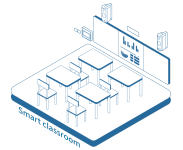
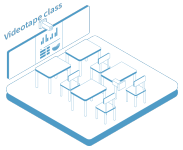
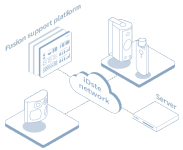
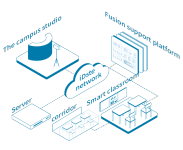
A smart center console in the classroom acts as a central hub for managing technology and creating an interactive learning environment. It integrates various tools and devices, allowing you to control everything from one place. This console simplifies lesson delivery by combining hardware and software into a single system. You can use it to access digital resources, display content, and interact with students in real time. Its purpose is to enhance teaching efficiency and improve the overall learning experience for students.
By using this console, you can make lessons more engaging and accessible. It supports modern teaching methods, helping you adapt to the needs of today’s tech-savvy students. Whether you want to display multimedia content or manage classroom activities, the smart center console provides the tools you need to succeed.
Key Features
Smart center consoles come equipped with a variety of features designed to improve classroom management and learning outcomes. Some of the most notable features include:
Touchscreen Interface: A user-friendly interface that lets you navigate tools and applications with ease.
Device Integration: Seamless connection with projectors, smartboards, and other classroom devices.
Content Sharing: The ability to share digital content with students instantly.
Interactive Tools: Built-in applications for quizzes, polls, and collaborative activities.
Cloud Connectivity: Access to cloud-based resources and storage for lesson materials.
These features make the console a versatile tool for modern classrooms. You can use it to create a dynamic and interactive learning environment that keeps students engaged.
Role in Smart Classes
In smart classes, the smart center console plays a pivotal role in transforming traditional teaching methods. It acts as the command center for all classroom technology, enabling you to integrate digital tools into your lessons seamlessly. This console fosters collaboration by allowing students to participate in group activities and discussions. It also supports diverse learning styles by offering multimedia content and interactive applications.
By using a smart center console, you prepare students for a digital future. It equips them with the skills they need to navigate technology confidently. Additionally, it streamlines classroom management, giving you more time to focus on teaching. This technology bridges the gap between traditional education and modern learning, making it an essential tool for today’s educators.
Key Benefits of Smart Center Consoles in Education
Enhancing Student Engagement
A smart center console in the classroom transforms passive learning into an interactive experience. By integrating digital tools like interactive whiteboards and multimedia content, you can capture students' attention more effectively. These consoles allow you to incorporate quizzes, polls, and gamified activities into your lessons. This approach keeps students actively involved and encourages participation. For example, using real-time polling, you can gather instant feedback and adjust your teaching methods to meet the needs of your class.
Interactive features also help students connect with the material on a deeper level. Visual aids, videos, and animations make complex concepts easier to understand. When students feel engaged, their motivation to learn increases, leading to better academic outcomes.
Supporting Diverse Learning Styles
Every student learns differently, and smart center consoles help you address this diversity. These consoles support visual, auditory, and kinesthetic learning styles by offering a variety of digital tools. For instance, you can use multimedia presentations for visual learners or play audio clips for auditory learners. Interactive activities, such as drag-and-drop exercises, cater to kinesthetic learners who benefit from hands-on experiences.
The flexibility of these consoles allows you to personalize lessons. Students can navigate content at their own pace, ensuring no one feels left behind. This adaptability creates an inclusive classroom environment where every student has the opportunity to succeed.
Improving Classroom Management
Managing a classroom becomes more efficient with a smart center console. These consoles centralize control, allowing you to manage devices, share content, and monitor student progress from one platform. This streamlined approach reduces distractions and keeps the focus on learning.
Smart center consoles also promote collaboration and communication among students and teachers. The table below highlights some features that enhance these interactions:
Feature | Description |
|---|
Whole-class participation | Enables active learning and collaboration among students. |
Brainstorming and ideation | Supports whole-class brainstorming and discussion activities. |
Polling and assessment | Facilitates formative assessments and polling for real-time feedback. |
Collaborative project canvas | Allows students to work together on projects with attribution. |
Remote access | Students can contribute to lessons whether in-person or remote. |
Student-based navigation | Gives students control over their learning pace at any time. |
Wireless screen sharing | Supports screen sharing from any device, enhancing accessibility and collaboration. |
By using these features, you can create an interactive environment that fosters teamwork and keeps students engaged. This technology not only simplifies classroom management but also enhances the overall learning experience.
Promoting Collaboration and Communication
A smart center console in the classroom encourages teamwork and builds stronger communication skills among students. By integrating tools that support team collaboration, you can create an environment where students work together effectively. Features like shared project canvases and wireless screen sharing allow students to contribute ideas and solve problems as a group. These tools make it easier for everyone to participate, whether they are in the classroom or joining remotely.
Interactive activities, such as brainstorming sessions or group quizzes, help students engage with each other. You can use these features to foster discussions and encourage students to share their perspectives. This approach not only improves their understanding of the subject but also helps them develop critical thinking and interpersonal skills.
The smart center console also simplifies communication between you and your students. Real-time polling and feedback tools let you gauge their understanding instantly. You can adjust your teaching methods based on their responses, ensuring that everyone stays on track. These features make the classroom more dynamic and responsive to the needs of your students.
When students collaborate, they learn how to respect different viewpoints and work towards common goals. This experience prepares them for real-world situations where teamwork is essential. By using this technology, you can create a classroom environment that values communication and cooperation.
Preparing Students for a Digital Future
In today’s world, digital skills are essential for success. A smart center console in the classroom equips students with the tools they need to thrive in a technology-driven society. By using this technology, you expose students to digital tools and platforms that mirror those used in professional environments. This experience helps them build confidence in navigating digital systems.
The console introduces students to interactive learning methods that go beyond traditional textbooks. They can explore multimedia content, participate in virtual simulations, and use cloud-based resources. These activities teach them how to adapt to new technologies and use them effectively.
You also prepare students for future careers by fostering skills like problem-solving, collaboration, and adaptability. The hands-on experience they gain with digital tools makes them more comfortable with technology. This readiness gives them an advantage in higher education and the workforce.
By integrating a smart center console into your classroom, you bridge the gap between education and the digital world. You help students develop the skills they need to succeed in a rapidly changing environment. This technology not only enhances their learning experience but also sets them up for a brighter future.
How Smart Center Consoles Work
Core Components and Functionality
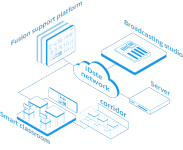
A smart center console combines hardware and software to create a seamless teaching experience. Its core components include a touchscreen interface, connectivity ports, and built-in software for managing classroom activities. The touchscreen interface allows you to navigate tools and applications effortlessly. Connectivity ports let you link devices like projectors, laptops, and tablets. The software integrates these tools, enabling you to control everything from one central hub.
This console simplifies classroom operations. You can share content, monitor student progress, and manage devices without switching between multiple systems. It also supports interactive learning by offering tools for quizzes, polls, and collaborative activities. These features make it an essential educational tool for modern classrooms.
Integration with Classroom Technology
Smart center consoles work seamlessly with other classroom technology. They connect with interactive whiteboards, projectors, and student devices to create a unified learning environment. For example, you can use an interactive whiteboard to display multimedia content while students interact with it through their tablets. This integration enhances technology-aided classroom learning by making lessons more engaging and accessible.
The console also supports digital technology like cloud-based platforms. You can store lesson materials online and access them anytime. This feature ensures that your resources are always available, whether you’re teaching in person or conducting a virtual class. By integrating these tools, the console transforms traditional teaching methods into a dynamic and interactive experience.
Examples of Applications in Smart Classes
Smart center consoles support various applications that enhance active learning. Here are some examples:
Application/Tool | Description |
|---|
Interactive Boards | Replaces traditional chalkboards, allowing for visuals and student interaction via tablets. |
Kahoot | An educational app with a simple layout, appealing to younger audiences. |
SMART Interactive Displays | Enables content sharing on student devices, promoting active learning and collaboration. |
These tools make lessons more interactive and engaging. For instance, interactive boards let you present complex concepts visually, helping students grasp them more easily. Kahoot adds a fun element to learning through quizzes and games. SMART Interactive Displays encourage collaboration by allowing students to share ideas and work together on projects. These applications demonstrate how digital tools can transform the classroom into a hub of interactive learning.
Considerations for Implementing Smart Center Consoles
Cost and Budgeting
When implementing smart center consoles, cost is one of the first factors you need to evaluate. These systems often require a significant initial investment. You must account for the price of hardware, software, and installation. Additionally, ongoing expenses like maintenance and software updates can add to the total cost. Creating a detailed budget helps you plan for these expenses and avoid unexpected financial challenges.
You should also explore funding opportunities. Many schools secure grants or partner with technology providers to reduce costs. Bulk purchasing or long-term contracts may also offer discounts. By carefully managing your budget, you can make this investment more feasible for your classroom.
Training and Support for Educators
Introducing smart center consoles into your classroom requires proper training for teachers. Without adequate preparation, educators may struggle to use these digital tools effectively. Training sessions should focus on both the technical aspects and the practical applications of the technology. For example, teachers need to learn how to integrate interactive features into their lessons to enhance learning.
Ongoing support is equally important. Teachers may encounter technical issues or need guidance on using advanced features. Providing access to a dedicated support team or online resources ensures they can resolve problems quickly. When educators feel confident using the technology, they can create a more engaging and effective learning environment for students.
Integration Challenges
Integrating smart center consoles with existing classroom technology can present challenges. Compatibility issues may arise when connecting the console to older devices or software. You need to ensure that all components work seamlessly together to avoid disruptions during lessons.
Another challenge is adapting the classroom layout to accommodate the new system. Smart center consoles often require specific setups, such as additional wiring or space for hardware. Planning ahead can help you address these logistical concerns.
Finally, you may face resistance from teachers or students who are unfamiliar with digital tools. Clear communication about the benefits of the technology can help overcome this resistance. By addressing these challenges proactively, you can ensure a smooth transition to a more interactive and modern classroom.
Evaluating Effectiveness
Evaluating the effectiveness of smart center consoles in your classroom ensures that the technology meets your teaching goals. You can use several strategies to measure its impact on both students and educators.
Monitor Student Engagement
Observe how students interact with the smart center console during lessons. Look for signs of increased participation, such as active involvement in quizzes, polls, or collaborative activities. Compare engagement levels before and after implementing the console. This comparison helps you determine if the technology captures students' attention effectively.
Assess Learning Outcomes
Review student performance data to identify improvements in learning outcomes. Use tools like digital assessments or progress tracking features built into the console. These tools provide insights into how well students understand the material. If you notice consistent progress, the console likely supports your teaching objectives.
Gather Feedback from Students and Teachers
Collect feedback from students about their learning experience. Ask them if the console makes lessons more engaging or easier to understand. Similarly, gather input from teachers about how the technology impacts their teaching process. Their perspectives help you identify strengths and areas for improvement.
Evaluate Classroom Efficiency
Analyze how the console affects classroom management. Check if it simplifies tasks like sharing content, monitoring student progress, or integrating other devices. A more efficient classroom indicates that the console adds value to your teaching environment.
Compare Against Goals
Set clear goals before implementing the console. For example, you might aim to improve collaboration or enhance digital literacy. Regularly compare the outcomes against these goals to measure success. Adjust your approach if the results fall short of expectations.
By using these strategies, you can ensure that the smart center console delivers meaningful benefits to your classroom. Regular evaluation helps you maximize its potential and adapt it to meet your needs.
Smart center consoles redefine how you teach and manage classrooms. These tools combine advanced features to enhance student engagement and simplify lesson delivery. They support diverse learning styles and prepare students for a technology-driven world. By integrating digital tools, you create an interactive and inclusive learning environment.
This technology has the power to transform education. It equips you with tools to modernize teaching practices and improve classroom efficiency. Explore smart center consoles to unlock their potential and elevate your teaching experience.
FAQ
What is the difference between a smart board and a smart center console?
A smart board is an interactive display used for teaching, while a smart center console acts as the control hub for all classroom technology. The console integrates tools like smart boards, projectors, and student devices, making it easier for you to manage smart classes.
How do smart boards improve learning in smart classes?
Smart boards make lessons interactive by displaying multimedia content and enabling hands-on activities. They help students visualize concepts and participate actively. These tools enhance engagement and simplify complex topics, making them a key part of the benefits of smart classes.
Are smart center consoles suitable for all classrooms?
Yes, smart center consoles work in various classroom settings. They adapt to different teaching styles and support diverse learning needs. Whether you teach younger students or advanced learners, these consoles enhance classroom efficiency and improve learning outcomes.
What are the main smart board benefits for teachers?
Smart board benefits include simplifying lesson delivery, enabling interactive teaching, and saving time. You can use them to present multimedia content, conduct quizzes, and collaborate with students. These features make teaching more effective and engaging.
How do smart classes prepare students for the future?
Smart classes expose students to digital tools and platforms, helping them develop essential skills like collaboration, problem-solving, and adaptability. By using smart boards and other technology, you prepare students for a technology-driven world and future careers.