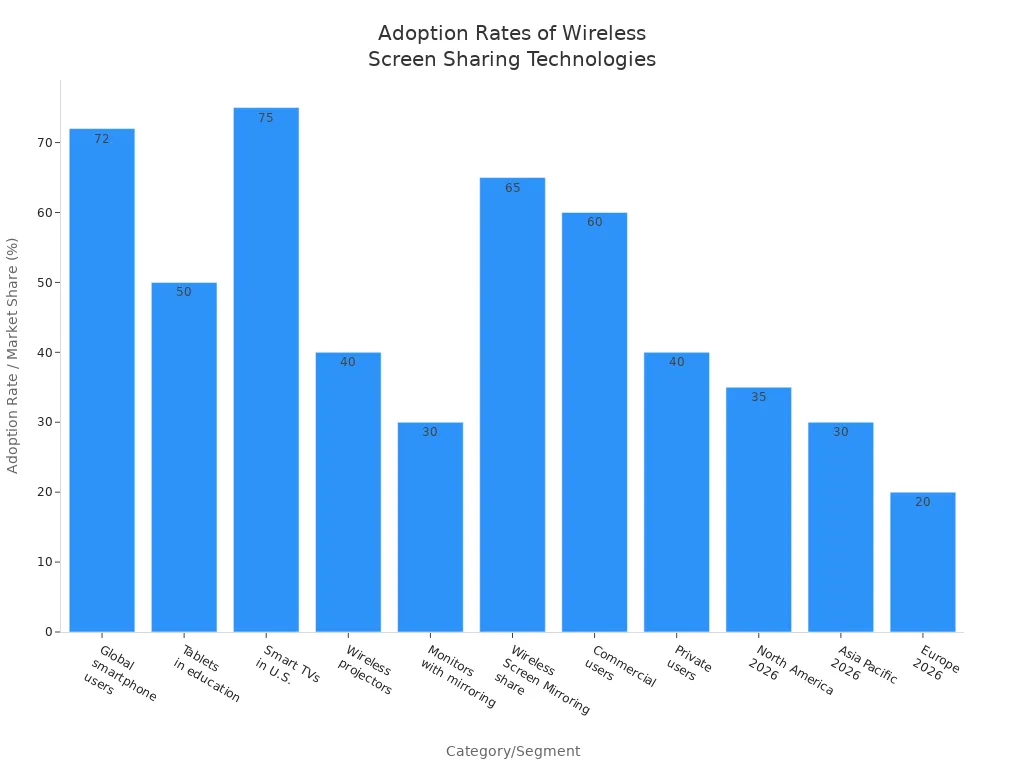
If you’re curious about The Difference between Wireless Screen Sharing Screen Mirroring and Screen Casting, you’re not alone. Understanding The Difference between Wireless Screen Sharing Screen Mirroring and Screen Casting can help you choose the right option for your needs. Wireless screen sharing allows you to display your device’s content on another screen without any cables. Screen mirroring, which is part of The Difference between Wireless Screen Sharing Screen Mirroring and Screen Casting, duplicates everything on your device in real time onto another display. On the other hand, screen casting—another aspect of The Difference between Wireless Screen Sharing Screen Mirroring and Screen Casting—lets you send specific content, like a video or song, to another screen while you continue using your device for other tasks. Your choice depends on what you want to accomplish and the devices you own. The Difference between Wireless Screen Sharing Screen Mirroring and Screen Casting is becoming more important as these technologies grow rapidly:
Central hubs for entertainment with AirPlay and Google Cast integration
Wireless projectors adoption
40% increase in last 2 years
Used in business and education for presentations
Monitors with mirroring features
30% annual growth
Corporate environments for multitasking and presentations
Tip: The Difference between Wireless Screen Sharing Screen Mirroring and Screen Casting is also affected by your device and Wi-Fi quality. Newer devices and strong Wi-Fi improve screen mirroring. Remember, casting is different from mirroring—casting lets you keep using your phone while sharing content, which is a key part of The Difference between Wireless Screen Sharing Screen Mirroring and Screen Casting.
Key Takeaways
Wireless screen sharing lets you show your screen or apps. You do not need any cables. This makes teamwork and presentations simple.
Screen mirroring shows everything on your device right away. It appears on another screen. This is good for sharing presentations, photos, or games.
Screen casting sends only certain things like videos or music. You can still use your device for other things at the same time.
Pick the best way for what you need. Use mirroring to share your whole screen. Use casting if you want to do more than one thing. Use wireless sharing to work with others far away.
Good Wi-Fi and devices make sharing better. Check your devices and network before you start sharing.
Wireless Screen Sharing
What Is Wireless Screen Sharing?
Wireless screen sharing lets you show your device’s screen on another screen. You do not need any cables to do this. It works with laptops, tablets, and phones. You can mirror your whole screen or cast just one app or video. This makes sharing easy in many places. You see wireless display options in schools, offices, and restaurants. Devices like Apple TV, Google Chromecast, and Miracast receivers help you connect. These tools work with different platforms. They support both mirroring and casting. You can choose what fits your needs best.
How Wireless Screen Sharing Works
Wireless screen sharing uses special ways to connect your device to a display. Some common ones are Miracast, AirPlay, and Google Cast. Each one has its own good points. Miracast uses Wi-Fi Direct, so you do not need a router. AirPlay works well with Apple devices. It lets you stream or mirror. Google Cast is good for casting apps from Android or Chrome. Here is a quick look at how these work:
Protocol
Works With
Main Feature
Miracast
Android, Windows, TVs
Screen mirroring only
AirPlay
Apple devices
Mirroring and streaming
Google Cast
Android, Chrome, TVs
Casting and mirroring
You find wireless display receivers like ScreenBeam 1100 Plus in offices. These receivers let many people share screens in meetings. This helps everyone work together better.
Screen Sharing Use Cases
Screen sharing is great when people need to work together. In meetings, you can start a presentation fast without cables. Teachers can walk around and share lessons from anywhere. Students like sharing their work and ideas. This helps everyone join in more. Restaurants use wireless displays so guests can share photos or videos. This makes visits more fun. Software teams use screen sharing to solve problems together. Wireless sharing helps everyone stay connected. It makes teamwork easier. If you wonder about casting vs mirroring, think about what you want to share. You can share your whole screen or just one app. Both choices make wireless screen sharing helpful today.
Screen Mirroring
What Is Screen Mirroring?What is a screen mirroring ?
Screen mirroring lets you show your device’s screen on another display right away. Both screens look the same at the same time. If you open an app or play a video, the other screen copies it right then. You can swipe through photos, and the other screen will match. You do not have to think about what casting means. With screen mirroring, you share your whole screen, not just one app or video. This is not like casting, which only sends certain things. If you want to show a presentation or share photos with friends, screen mirroring is a good choice.
Tip: Screen mirroring works best when both devices use the same wireless screen share technology, like Miracast, AirPlay, or Smart View.
How Screen Mirroring Works
You can use screen mirroring on many devices. Most smart TVs, laptops, and phones have this feature. You connect both devices to the same Wi-Fi or use Wi-Fi Direct. Some devices need a wireless display receiver, like Chromecast or Apple TV. Others use built-in options, like Miracast or AirPlay. Here is a table that shows how screen mirroring compares to other ways to share content:
Feature
Screen Mirroring
Screen Casting
Desktop Sharing
What it does
Shows your whole screen on another display
Streams only certain media
Shares your screen with people far away
Screen view
Both screens show the same thing
Screens show different things
Many screens show the same thing
Content
Everything on the screen is shown
Only certain media is streamed
Everything on the screen is shown
For the best results, keep your devices close to the router and use strong Wi-Fi. Some setups work without the internet, but both devices must use the same protocol. If you have problems, check if your devices work together and are updated. You can also restart your devices or try a different wireless display receiver.
Screen Mirroring Scenarios
Screen mirroring is helpful when you want to share your whole screen with others. Here are some common times to use it:
Watch movies with your family by mirroring your phone or tablet to the TV.
Share photos and videos at a party or family event.
Play games on a bigger screen for more fun.
Screen mirroring is great for meetings, classrooms, and parties. It helps you work and have fun with others in real time. You do not need to worry about what wireless display means. Just focus on sharing your content. If you compare mirroring and casting, remember that screen mirroring shows everything, but screen casting only sends certain apps or videos. This makes screen mirroring a good choice when you want everyone to see exactly what is on your device.
Screen casting lets you send specific content, like a video or song, from your phone or laptop to a bigger screen. You don’t have to show your whole device screen. Instead, you pick what you want to play, and the TV or wireless display receiver takes over. This is different from screen mirroring wireless display, where everything you do on your device shows up on the big screen. With screen casting, you can keep using your device for other things. If you ever wondered, "what does screen cast mean in a phone?"—it means you can stream a movie to your TV while texting friends at the same time.
You’ll find screen casting solutions built into many devices. Google Cast, AirPlay, and Miracast are some of the most popular protocols. Chromecast is a leader for Android and Chrome users, while AirPlay works great with Apple products. DLNA is another option, mostly for older devices. These tools make wireless content sharing simple and fast.
How Screencasting Works
Screencasting works by sending only the content you choose—like a YouTube video or a slideshow—to another screen. Your device tells the TV or wireless display what to play, and then you’re free to do something else. This is a big difference in the cast vs mirror debate. When you use screencasting, your phone or laptop acts like a remote control. You can pause, skip, or change the volume right from your device.
Here’s a quick table to show how screencasting and screen mirroring compare:
So, if you want to answer a call or check your email while casting your screen, screencasting is the way to go. This is why many people prefer screencasting for home entertainment and work.
Screencasting Use Cases
You can use screencasting in lots of ways. At home, it’s perfect for streaming Netflix, HBO Max, or YouTube to your TV. You can show family photos or videos on the big screen without everyone crowding around your phone. Planning a trip? Use your TV as a giant browser to look at maps and menus together. In the office, screencasting helps you share presentations, spreadsheets, or dashboards during meetings. Some screen casting solutions, like AirSync, even let up to nine people share their screens at once. This makes teamwork easy and fun.
Tip: Screencasting is great for multitasking. You can keep using your device while your content plays on the TV. This is a big win in the mirroring vs casting debate.
Screencasting also works well in classrooms and hotels. Teachers can share lessons, and travelers can use TVs as second monitors. If you’re curious about what is wireless display or what is a cast screen, just remember: screencasting gives you freedom. You control what shows up, and you don’t have to stop using your device. Next time you hear about wifi mirror cast or wireless screen share, think about how screencasting can make your life easier.
The Difference Between Wireless Screen Sharing, Screen Mirroring, and Screen Casting
When you look at the difference between wireless screen sharing screen mirroring and screen casting, you’ll see each method has good and bad sides. Here’s what you should know before you pick one:
Note: If you use a wireless display receiver, make sure your devices are updated and on the same Wi-Fi network. This helps avoid most connection problems.
Choosing the Right Method
You want to pick the best choice for your needs, right? The difference between wireless screen sharing screen mirroring and screen casting matters when you think about what you want to do and where you want to do it. Here’s how you can decide:
Check Compatibility Make sure your devices support the method you want. AirPlay works best with Apple devices. Miracast supports many Windows and Android devices. If you use a wireless display receiver, check if it matches your phone or laptop.
Think About Security If you share private info, look for encryption and password protection. This is important in offices, schools, and hospitals.
Consider Range and Stability Wireless methods need good Wi-Fi. If you have a big room or lots of people, use a 5 GHz band for better speed. Wired connections give you the best quality, but you lose mobility.
Ease of Use Pick a method that’s easy for you and others. Some wireless screen share options let you connect with one click. Others need apps or setup steps.
Support and Updates Choose a solution with good support and regular updates. This keeps your system working well.
Value for Money Balance cost with features. Sometimes, a simple HDMI cable works better than fancy wireless content sharing tools.
Here’s a quick guide to help you match your needs:
Remote Work or Collaboration: Use wireless screen sharing or desktop sharing software. You can share your screen with people far away and work together in real time.
Home Entertainment: Screen casting solutions like Chromecast or DLNA let you stream movies and music. You can keep using your phone while your show plays.
Gaming or High-Quality Video: Wired HDMI connections or wifi mirror cast give you the best performance.
Tip: If you want to know what does screen cast mean in a phone, it means you can send a video or song to your TV and keep texting or browsing on your phone.
The difference between wireless screen sharing screen mirroring and screen casting is clear when you look at your own needs. If you want to share everything on your screen, go with screen mirroring. If you want to stream a movie and keep using your device, choose screen casting. For teamwork and remote support, wireless screen sharing is your best bet.
You’ll see that the major difference between screen mirroring and screen casting is how much control you have over your device while sharing. Mirroring vs casting is a common debate, but it all depends on what you want to do. Casting vs mirroring is about multitasking versus sharing everything. Wireless display technology keeps getting better, so you have more choices than ever.
Remember: Always check your device compatibility and network quality before you start. This helps you avoid most problems with wireless screen share, screen mirroring wifi display, and wireless content sharing.
You now understand the main differences between wireless screen sharing, screen mirroring, and screen casting. Screen mirroring wireless display shows everything on your device screen. Screen casting solutions let you stream only one app or video. Wireless screen share is best for teamwork and remote help.
Choose screen mirroring when you want to show live presentations or share all your device’s content.
Try wireless content sharing with a wireless display receiver to make meetings easy.
Think about what you need before you choose. Picking the right way makes sharing easy, safe, and fun. It works whether you use wifi mirror cast, wonder what is a cast screen, or want to know what does screen cast mean in a phone.
FAQ
What is the difference between cast vs mirror?
Casting sends only one app or video to another screen. Mirroring shows everything on your device in real time. If you want to multitask, choose casting. If you want to share your whole screen, pick mirroring.
How does a wireless display receiver work?
A wireless display receiver plugs into your TV or monitor. You connect your phone or laptop to it using Wi-Fi. You can use it for screen mirroring wireless display, casting, or wireless content sharing.
What does screen cast mean in a phone?
Screen cast lets you send a video, song, or app from your phone to a TV. You can keep using your phone for other things. This is different from mirroring, where your whole screen shows up.
Can I use wifi mirror cast for gaming?
Yes, you can use wifi mirror cast for gaming. You see your game on a bigger screen. Some games may lag if your Wi-Fi is slow. For the best experience, use a strong wireless screen share connection.
Which screen casting solutions work best for home entertainment?
Popular screen casting solutions include Chromecast, AirPlay, and Miracast. These let you stream movies, music, or photos to your TV. You control playback from your device. You get easy wireless content sharing for family and friends.
Click the button to contact us for more information