Audio compression helps you save storage space in smart campus audio libraries. It reduces file sizes by removing unnecessary or repetitive data while keeping the essential parts intact. This process ensures that you can store more audio files without sacrificing important sound quality. By using audio compression, your campus can manage its growing library efficiently and make better use of available storage.
Key Takeaways
Audio compression makes files smaller, so campuses can save space.
Formats like MP3 and AAC work well for everyday use.
Formats like FLAC and ALAC keep sound quality for learning.
Smaller audio files send faster, helping students and staff access them.
Using compression saves money on storage devices and cloud services.
Check your library's needs often and update methods to stay efficient.
How Audio Compression Works
Basics of Audio Compression
Lossy vs. Lossless Compression
Audio compression comes in two main types: lossy and lossless. Lossy compression removes parts of the audio data that are less noticeable to the human ear. This method significantly reduces file sizes, making it ideal for streaming or storing large libraries. Formats like MP3 and AAC use lossy compression. On the other hand, lossless compression retains all the original audio data. It ensures no quality loss, which is perfect for preserving high-fidelity sound. Formats like FLAC and ALAC fall under this category.
Lossless compression relies on mathematical principles like entropy and redundancy. Entropy measures the minimum bits needed to encode data, while redundancy identifies and removes excess information. Shannon’s Source Coding Theorem sets the theoretical limits for lossless compression.
Data Reduction Principles
Audio compression works by identifying patterns and redundancies in sound data. For example, if a song has repeated beats or silent sections, compression algorithms reduce the data needed to store those parts. Lossy methods go further by removing frequencies that humans cannot hear. This approach balances smaller file sizes with acceptable sound quality.
Common Compression Formats
MP3 and AAC
MP3 is one of the most widely used formats for lossy compression. It offers a good balance between file size and sound quality. AAC, another popular format, provides better audio quality than MP3 at similar bit rates. This makes it a preferred choice for platforms like YouTube and Apple Music.
FLAC and ALAC
FLAC and ALAC are lossless formats that preserve the original audio quality. FLAC is open-source and widely supported, while ALAC is optimized for Apple devices. These formats are ideal for smart campus libraries that prioritize high-quality audio for educational purposes.
Benefits of Audio Compression for Smart Campus Libraries
Storage Optimization
Reduced File Sizes
Audio compression significantly reduces file sizes, allowing you to store more audio files in the same amount of space. For example, uncompressed CD-quality audio requires about 640 MB for one hour of music. Lossless compression can cut this size by 50-60%, while MP3 compression can store up to seven hours of audio in the same space.
Compression Type
File Size Reduction
Example Duration of Music
Uncompressed CD
640 MB
~1 hour
Lossless Compression
50-60% of original
< 2 hours
MP3 Compression
~7 hours
~640 MB
This reduction means your smart campus library can accommodate a larger collection without requiring additional storage hardware.
Cost Savings on Storage
Smaller file sizes translate to lower storage costs. You can reduce the need for expensive servers or cloud storage plans. This cost efficiency makes audio compression a practical choice for campuses managing tight budgets.
Improved Accessibility
Faster File Transfers
Compressed audio files transfer faster due to their smaller size. This improvement enhances download and upload speeds, making it easier for students and staff to access resources quickly.
Smaller files transfer more quickly, enhancing download and upload speeds.
Integration with Smart Systems
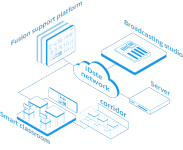
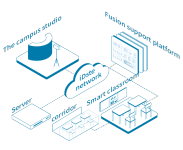
Audio compression ensures compatibility with smart systems like iDste's Intelligent Fusion Information Terminal. Smaller files integrate seamlessly, enabling smooth playback and efficient resource management. This integration supports a dynamic learning environment where students can access materials effortlessly.
Scalability for Growing Libraries
Accommodating More Resources
As your library grows, audio compression helps you manage the increasing volume of resources. By reducing file sizes, you can store more content without upgrading your storage infrastructure. This scalability ensures your library remains future-ready, accommodating new materials as they become available.
Impact of Audio Compression on Quality
Trade-offs in Lossy Compression
Balancing Compression and Quality
Lossy compression methods, like MP3 and Vorbis, reduce file sizes by removing less noticeable audio details. These methods rely on psychoacoustic principles, which focus on how humans perceive sound. For example, frequencies outside the human hearing range are eliminated. This approach allows significant file size reductions, but it comes with a trade-off. The more you compress, the more audio quality you lose. A 640 MB CD can store one hour of uncompressed music. With MP3 compression at a medium bit rate, the same space can hold up to seven hours of music. This balance between quality and storage efficiency makes lossy compression ideal for large libraries where space is limited.
Use Cases for Lossy Formats
Lossy formats work well in scenarios where storage and bandwidth are priorities. For instance, streaming platforms like Spotify and YouTube use these formats to deliver content quickly without requiring excessive storage. In smart campus libraries, lossy compression is suitable for general-purpose audio files, such as lectures or podcasts, where perfect fidelity is not critical.
Advantages of Lossless Compression
Preserving Audio Fidelity
Lossless compression retains all the original audio data, ensuring no quality loss. Formats like FLAC and ALAC are perfect for preserving high-fidelity sound. This makes them ideal for applications where audio quality is paramount. For example, in music education, students can analyze subtle nuances in compositions without distortion.
Compression Type
Characteristics
Examples
Lossless
Retains all original data
FLAC, ALAC
Lossy
Sacrifices some fidelity for size
MP3, AAC
Educational Applications
Lossless compression supports educational activities that demand high-quality audio. Language learning programs, for instance, benefit from clear pronunciation and tone. Similarly, music classes can use lossless formats to study intricate details in sound. These applications highlight the importance of maintaining audio fidelity in specific educational contexts.
Measures the ratio between the maximum possible power of a signal and the power of corrupting noise.
Signal-to-Noise Ratio (SNR)
Evaluates the level of desired signal relative to the level of background noise.
Mean Squared Error (MSE)
Calculates the average of the squares of the errors between the original and compressed audio signals.
Mean Opinion Score (MOS)
Participants rate audio quality on a scale from 1 to 5, focusing on naturalness and overall quality.
These metrics help you assess the impact of compression on audio quality, ensuring that your library meets its specific needs.
Best Formats and Tools for Audio Compression
Recommended Formats
MP3 and AAC for General Use
MP3 and AAC are excellent choices for general-purpose audio compression. MP3 is widely supported and offers a good balance between file size and sound quality. It works well for storing lectures, podcasts, and other spoken content. AAC, on the other hand, provides better audio quality than MP3 at similar bit rates. This makes it ideal for platforms like YouTube and Apple Music. Both formats are efficient and compatible with most devices, ensuring easy access for students and educators.
FLAC and ALAC for High-Quality Needs
For high-quality audio, FLAC and ALAC are the best options. These lossless formats preserve all the original audio data, making them perfect for music education or language learning. FLAC is open-source and works across various platforms, while ALAC is optimized for Apple devices. Both formats ensure that audio fidelity remains intact, allowing students to analyze subtle details in sound.
Performance Metrics for Evaluating Formats
Metric
Description
Peak Signal-to-Noise Ratio (PSNR)
Measures the ratio between the maximum possible power of a signal and the power of corrupting noise.
Signal-to-Noise Ratio (SNR)
Evaluates the level of desired signal relative to background noise.
Mean Squared Error (MSE)
Calculates the average of the squares of the errors between the original and compressed audio signals.
Compression Tools
Audacity
Audacity is a free, open-source tool that supports various audio compression formats. It allows you to adjust bit rates, sample rates, and other settings to achieve the desired balance between file size and quality. Its user-friendly interface makes it a great choice for beginners.
Adobe Audition
Adobe Audition is a professional-grade tool with advanced features for audio compression. It offers precise control over compression settings, ensuring optimal results. This tool is ideal for campuses that require high-quality audio for specialized applications.
Online Tools
Online tools like CloudConvert and Zamzar provide quick and easy audio compression. These platforms support multiple formats and do not require installation. They are perfect for compressing files on the go, making them a convenient option for students and staff.
Tip: Use tools that support formats like MP3, AAC, FLAC, and ALAC to ensure compatibility with your library's needs.
Degradation Mean Opinion Score (DMOS): Measures the perceived degradation compared to the original audio.
Comparative Mean Opinion Score (CMOS): Assesses the similarity of compressed audio to the original.
Implementation Tips for Smart Campuses
Assessing Needs
Storage and Quality Requirements
Understanding your campus library's storage and quality needs is essential before implementing audio compression. Start by evaluating the type of audio files you manage. For instance, lossy formats like MP3 offer high storage efficiency but may impact quality. Lossless formats such as FLAC preserve audio fidelity but require more space. The table below highlights how different compression types balance storage and quality:
Compression Type
Storage Efficiency
Quality Impact
Lossy
High
Moderate to High
Lossless
Moderate
No Loss
MP3
Very High
Moderate
Vorbis
High
Moderate
Direct Stream Transfer
Moderate
No Loss
Meridian Lossless Packing
Moderate
No Loss
This analysis helps you choose formats that align with your library's goals, whether prioritizing storage or maintaining high-quality audio.
Prioritizing Frequently Accessed Files
Focus on compressing files that are accessed most often. For example, lectures or podcasts used daily can benefit from lossy compression to save space. Reserve lossless formats for specialized resources like music or language learning materials. This prioritization ensures efficient storage while meeting user needs.
Setting Standards
Guidelines for Compression Formats
Establish clear guidelines for selecting compression formats. Define which formats suit specific use cases, such as MP3 for general audio and FLAC for high-quality needs. Standardizing formats ensures consistency across your library and simplifies file management.
Staff Training on Tools
Equip your staff with the skills to use audio compression tools effectively. Provide training sessions on platforms like Audacity or Adobe Audition. Demonstrating how to adjust settings for optimal results empowers your team to manage files efficiently.
Monitoring and Updates
Regular Storage Reviews
Conduct regular reviews of your storage system. Check for outdated or redundant files that can be compressed or removed. This practice keeps your library organized and maximizes available space.
Adapting to New Technologies
Stay updated on advancements in audio compression technology. Emerging tools and formats may offer better storage efficiency or quality. Adopting these innovations ensures your library remains future-ready and scalable.
Tip: Regularly assess your library's needs and update your strategies to maintain an efficient and accessible audio collection.
Audio compression offers a practical solution for managing smart campus audio libraries. It reduces storage hardware needs, saving costs and enabling scalability. Compressed files transfer faster, improving accessibility and productivity. Lossy algorithms, like MP3, shrink file sizes by removing less audible sounds, making storage and transmission more efficient. By selecting the right formats and tools, you can balance storage efficiency with audio quality. These strategies ensure your library remains cost-effective, accessible, and ready to grow.
What is the main purpose of audio compression in smart campus libraries?
Audio compression reduces file sizes, allowing you to store more audio files without needing extra storage. It helps optimize space while maintaining acceptable sound quality, making it easier to manage growing audio collections.
Which audio formats are best for educational purposes?
Lossy Formats: MP3 and AAC work well for lectures and podcasts.
Lossless Formats: FLAC and ALAC are ideal for music or language learning, where preserving audio quality is crucial.
Tip: Choose formats based on your library's specific needs.
How does audio compression improve accessibility?
Compressed files transfer faster, enabling quicker downloads and uploads. This speed enhances access to resources for students and staff, especially when integrated with smart systems like iDste's Intelligent Fusion Information Terminal.
Can audio compression save costs for smart campuses?
Yes, smaller file sizes reduce the need for expensive storage solutions. You can save on hardware and cloud storage costs, making it a budget-friendly option for managing large audio libraries.
What tools can you use for audio compression?
Audacity: Free and beginner-friendly.
Adobe Audition: Advanced features for professional use.
Online Tools: Platforms like CloudConvert offer quick compression without installation.
Note: Use tools that support formats like MP3, AAC, FLAC, and ALAC for compatibility.
Click the button to contact us for more information